10 Nutritious and Fun Toddler Meal Ideas Your Kids Will Love
Table of Contents
Mealtime with toddlers can be tricky. One day, they eat everything; the next, they won’t touch it. As a parent, I’ve found that making healthy meals is both a science and an art. It takes a lot of patience too.
Feeding toddlers is more than just filling their plates. It’s about introducing them to new flavors and textures. It’s about teaching them to love healthy foods for life. Healthy snacks and nutritious meals can turn mealtime into a fun adventure.
This guide will help you make meals that are both healthy and exciting for your kids. We’ll explore 10 creative meal ideas. These will make your toddler look forward to eating and help you feel good about their diet.
Key Takeaways
- Nutrition is crucial for toddler development
- Creativity makes healthy eating fun
- Variety keeps toddlers interested in food
- Presentation matters as much as taste
- Patience is key when introducing new foods
- Involve toddlers in meal preparation
- Balance is more important than perfection
Understanding Your Toddler’s Nutritional Needs
Nutrition is key for your child’s growth and development. It’s important to know their dietary needs. Toddlers need a variety of nutrients for their fast growth and learning.
Feeding your kids is more than just filling their plates. It’s about giving them the nutrients they need for healthy growth. Young children need a diet that boosts their energy and helps them reach milestones.
Essential Nutrients for Growing Children
Your toddler’s diet should have important nutrients for health:
- Protein for muscle growth
- Calcium for strong bones
- Iron for brain function
- Vitamin D for immune support
- Omega-3 fatty acids for brain growth
Recommended Daily Portions
Knowing portion sizes is crucial for balanced meals. Here’s a guide for daily portions:
| Food Group | Daily Serving | Portion Size |
|---|---|---|
| Grains | 3-5 servings | 1/4 to 1/2 cup |
| Fruits | 1-2 servings | 1/4 to 1/2 cup |
| Vegetables | 2-3 servings | 2-3 tablespoons |
| Protein | 2 servings | 1-2 ounces |
| Dairy | 2-3 servings | 1/2 cup milk or yogurt |
Balancing Macronutrients in Meals
It’s important to balance macronutrients in your child’s meals. Aim for a mix of:
- Carbohydrates: Give energy to active toddlers
- Proteins: Help with muscle and tissue growth
- Healthy Fats: Important for brain development
“Every bite counts when feeding a growing child.” – Pediatric Nutrition Expert
Remember, every child is different. Talk to your pediatrician to create a nutrition plan that fits your toddler’s needs.
Kitchen Tools and Prep Essentials for Toddler Meals
Getting the right kitchen tools makes cooking for toddlers a breeze. Having kid-friendly essentials in your kitchen makes meal prep fun and easy.
Here are some must-haves for quick toddler lunches:
- Kid-safe cutting boards
- Colorful divided plates
- Silicone utensils
- Small food processors
- Fun-shaped cookie cutters
“The right tools can make meal preparation both fun and efficient for parents and toddlers alike.”
Quality kitchen gear makes cooking faster and easier. Silicone tools are great because they’re soft, safe, and easy to clean. Look for child-sized cutting tools for safe kitchen play.
| Tool | Purpose | Recommended Age |
|---|---|---|
| Small Food Processor | Quick vegetable chopping | Parents of 1-3 year olds |
| Divided Plates | Portion control | 12 months and up |
| Cookie Cutters | Make meals visually appealing | 18 months and up |
Always watch your toddler while they help in the kitchen. Choose tools that are safe and fun for them.
Quick and Easy Breakfast Toddler Meal Ideas
Starting the day right means giving your toddler nutritious and fun breakfasts. These meals fuel their growth and make them excited to eat. Breakfast is a chance to add variety, nutrients, and fun to their diet.
Making healthy snacks and meals for toddlers is easy. With a little creativity and planning, you can make mornings fun and nourishing for your child.
Yogurt Parfait Variations
Yogurt parfaits are a colorful and nutritious start to your toddler’s day. You can change them up to match your child’s tastes while still giving them important nutrients.
- Layer Greek yogurt with fresh berries
- Sprinkle granola for added crunch
- Drizzle honey for natural sweetness
Mini Egg Muffins with Vegetables
These mini egg muffins are packed with protein and veggies. They’re great for busy mornings and can be made ahead of time for quick breakfasts.
- Whisk eggs with finely chopped spinach
- Add diced bell peppers
- Bake in muffin tins for portable nutrition
Four-Ingredient Banana Pancakes
These banana pancakes are simple yet nutritious. They need just a few ingredients and are a great way to add fruit to your toddler’s breakfast.
- Mash ripe bananas
- Mix with eggs and oats
- Cook until golden brown
Pro tip: Always watch your toddler during meals and cut food into sizes that are safe to prevent choking.
Protein-Rich Lunch Options for Growing Kids
Looking for toddler meal ideas that are both tasty and full of protein? Quick and easy lunches are possible. Protein is key for your child’s growth, helping build muscles and keeping them energized all day.
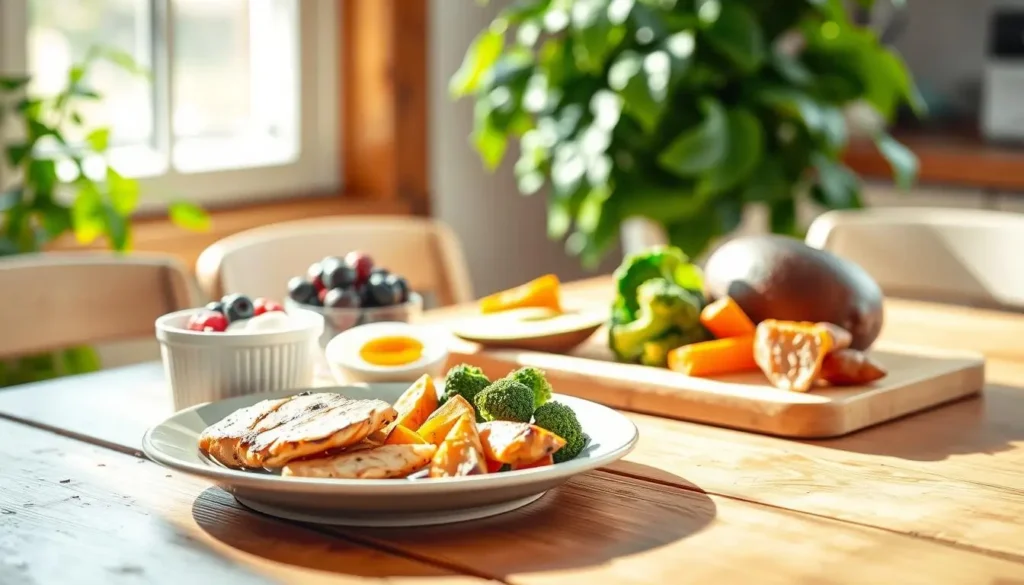
Here are some fun protein-packed lunch ideas that will make mealtime a highlight for your toddler:
- Mini Turkey and Cheese Roll-Ups
- Homemade Chicken Nuggets
- Bean and Cheese Quesadillas
- Egg Salad Sandwiches
- Hummus and Veggie Dippers
For parents looking for vegetarian options, here are some tasty choices:
| Protein Source | Serving Suggestion | Protein Content |
|---|---|---|
| Chickpea Salad | Mashed with mayo, served on whole wheat bread | 7g per 1/2 cup |
| Greek Yogurt | Mixed with berries and honey | 15-20g per cup |
| Tofu Cubes | Lightly seasoned and baked | 8g per 1/2 cup |
“Variety is key to keeping toddler meals interesting and nutritious.” – Pediatric Nutritionist
Here are some tips to make protein-rich meals more fun for your toddler:
- Cut foods into fun shapes
- Use colorful plates
- Involve your toddler in meal preparation
- Offer dipping sauces
Remember, every child is different. Pay attention to your toddler’s preferences and gradually introduce new protein sources.
Creative Veggie-Loaded Dinner Solutions
Getting toddlers to eat veggies can be tough. Turning simple recipes into fun, nutritious meals is a skill parents need. The goal is to make dishes that are tasty and hide healthy ingredients.
Veggie-packed dinners don’t have to be dull or hard to make. With a bit of creativity, you can add healthy foods to meals your kids will love.
Hidden Vegetable Mac and Cheese
This classic dish gets a healthy twist that kids will love. Here’s a quick recipe:
- Prep Time: 15 minutes
- Cook Time: 25 minutes
- Total Time: 40 minutes
- Servings: 4 toddlers
Blend cooked cauliflower or butternut squash into your cheese sauce. This adds nutrients and makes the sauce creamy and colorful.
Colorful Vegetable Pasta Dishes
Make pasta colorful with veggies. Spiralized zucchini, pureed carrots, and mashed sweet potatoes blend into sauces. They add flavor without changing the taste.
Kid-Friendly Vegetable Fritters
Vegetable fritters are a fun way to introduce new tastes and textures. Mix grated veggies like zucchini, carrots, and spinach into a batter. Then, pan-fry until they’re golden. These recipes make eating veggies fun for kids.
“The best way to get kids to eat vegetables is to make them fun and delicious!” – Pediatric Nutritionist
Fun and Healthy Finger Foods for Toddlers
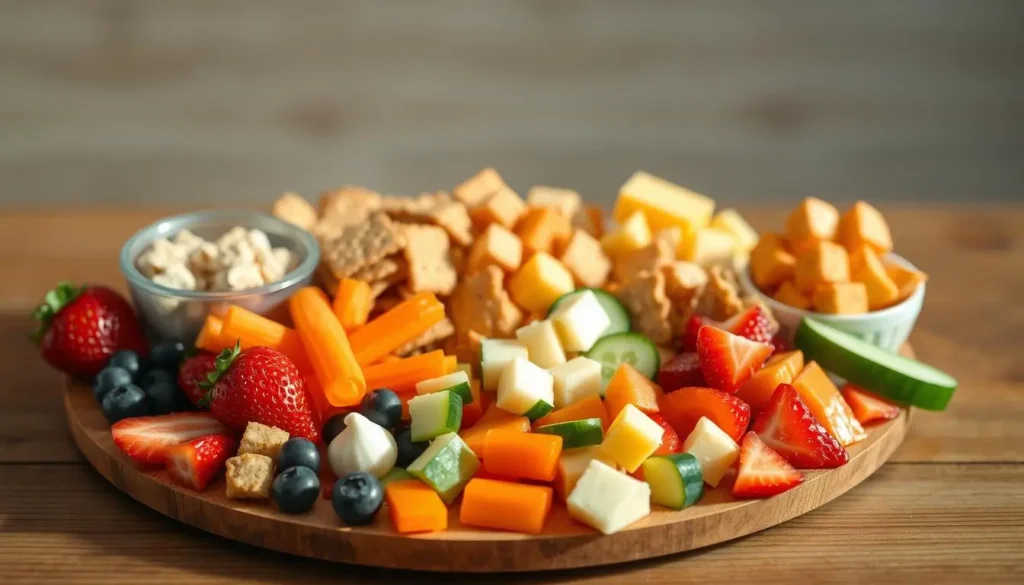
Toddler finger foods help your child learn to do things on their own. They also help with fine motor skills. Plus, they make mealtime fun and healthy.
Choose snacks that are full of nutrients and safe for your child. Make sure they are small and easy to eat. This keeps your child interested in trying new foods.
- Soft fruit cubes (banana, strawberries, melon)
- Steamed vegetable sticks
- Mini whole-grain muffins
- Cheese cubes
- Soft-cooked egg pieces
When making finger foods, safety is key. Cut foods into small pieces to avoid choking. Always watch your child while they eat and introduce new foods slowly.
| Finger Food | Nutritional Benefits | Serving Size |
|---|---|---|
| Sweet Potato Wedges | Vitamin A, Fiber | 2-3 small wedges |
| Avocado Cubes | Healthy Fats, Potassium | 1/4 avocado |
| Greek Yogurt Drops | Protein, Calcium | 4-5 small drops |
Pro tip: Rotate different finger foods to keep meals exciting and expose your toddler to various flavors and nutrients.
Variety is the spice of life, and for curious toddlers, it’s a way to explore new foods!
Make-Ahead Toddler Meal Ideas
Busy parents face the challenge of making healthy meals for their toddlers. Ideas for meals that can be made ahead of time are a big help. They save time and keep meals nutritious.
Meal prep changes your kitchen routine for the better. It lets you spend more time with your toddler. The trick is to plan well and cook in ways that keep food tasty and healthy.
Freezer-Friendly Options
Freezer meals are a quick and healthy choice for toddlers. Here are some make-ahead ideas:
- Mini vegetable quiches
- Homemade chicken and vegetable nuggets
- Fruit and yogurt smoothie packs
- Whole grain mini muffins
Weekly Meal Prep Tips
Smart meal prep strategies are key. Cooking in batches and portioning out meals makes planning easier.
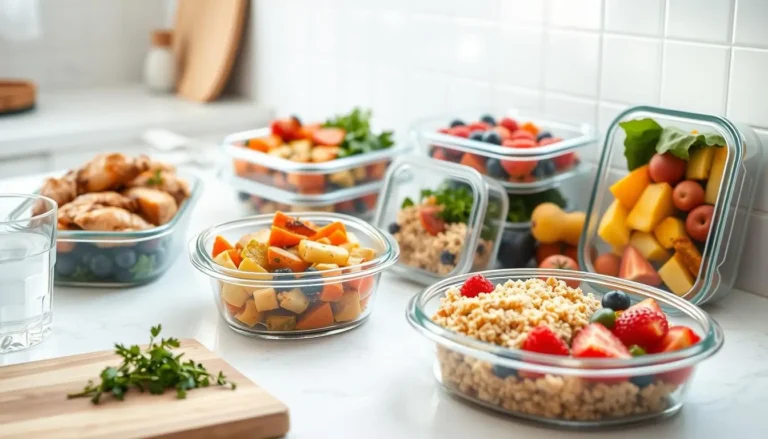
- Dedicate 2-3 hours on weekends for meal prep
- Invest in quality storage containers
- Prepare versatile base ingredients
- Label and date all prepared meals
Storage Guidelines
| Meal Type | Refrigerator Storage | Freezer Storage |
|---|---|---|
| Cooked Proteins | 3-4 days | 2-3 months |
| Vegetable Purees | 2-3 days | 3-4 months |
| Grain-Based Meals | 4-5 days | 1-2 months |
“Preparation is the key to stress-free toddler meals!” – Pediatric Nutrition Expert
With these easy recipes and prep tips, mealtime becomes a breeze. You’ll enjoy the process and keep your toddler happy and healthy.
Dealing with Picky Eaters: Tips and Tricks
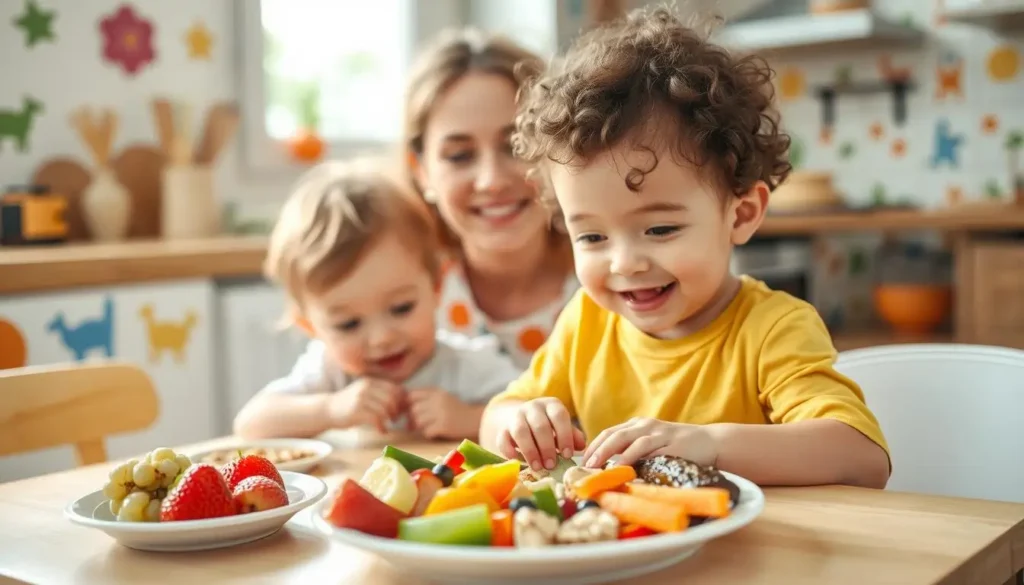
Dealing with picky eaters can be tough for parents. It’s important to understand your child’s eating habits. This can make mealtime more fun and less stressful.
Here are some effective strategies for managing picky eating:
- Make meals visually appealing with colorful presentations
- Involve toddlers in meal preparation
- Offer small portions of new foods
- Be patient and persistent
Studies show that kids might need to try a new food many times before they like it. Experts say introducing a food up to 10-15 times is a good rule of thumb.
| Picky Eating Strategy | Recommended Approach |
|---|---|
| Food Presentation | Create fun shapes, use colorful plates |
| Mealtime Attitude | Stay calm, avoid pressuring |
| Variety Introduction | Rotate new foods gradually |
How you approach mealtime can greatly affect your child’s eating habits. Try making meals fun by creating food art or letting your toddler pick between two healthy options.
Remember, patience is key in developing healthy eating habits for your toddler.
By using these strategies, you can help your child develop a good relationship with food and nutrition.
Special Dietary Considerations and Alternatives
It can be tough to make meals for kids with special diets. But, it’s not impossible. Knowing what foods are good for kids with certain needs helps parents make tasty, healthy meals.
Dealing with dietary restrictions needs creativity and knowledge. Parents should talk to doctors to make sure their kids get the right food. This helps manage their special diets.
Gluten-Free Options for Toddlers
Gluten-free meals need careful planning. Toddlers can still have yummy, healthy meals with these options:
- Quinoa-based pasta
- Rice flour pancakes
- Corn tortillas
- Cauliflower pizza crust
Dairy-Free Substitutions
Dairy-free meals can be full of nutrients with the right swaps:
- Almond milk smoothies
- Coconut yogurt
- Nutritional yeast for cheese flavor
- Calcium-fortified plant-based milks
Common Allergen Alternatives
Food allergies need careful meal planning. Here are some protein and nutrient-rich options:
- Sunflower seed butter instead of peanut butter
- Chickpea-based egg replacements
- Seed-based protein powders
- Seed and nut-free energy balls
“Every dietary challenge is an opportunity to explore new, exciting foods!” – Pediatric Nutritionist
Always talk to a pediatrician or registered dietitian before changing your toddler’s diet.
Conclusion
Creating nutritious kids food is easier than you think. You’ve learned how to make mealtime fun and healthy. By using the tips and recipes shared, you can help your child grow strong and healthy.
Being patient and creative is key. Try out different meal ideas to find what your child likes. Starting healthy eating habits early is crucial for their future health. Let your toddler help in the kitchen, make food look good, and be open to new tastes.
Feeding your kids is more than just giving them food. It’s about making memories, encouraging them to try new things, and helping them grow. Every meal is a chance to introduce new tastes and textures that can shape their food preferences.
We encourage you to share your own meal ideas and experiences. Connect with other parents, learn from them, and build a community of healthy eaters. Your efforts to help your child grow healthy and adventurous are rewarding and life-changing.
FAQ
How can I ensure my toddler gets enough nutrients?
Make sure your toddler eats a balanced diet with lots of different foods. Include lean proteins, whole grains, fruits, veggies, and healthy fats. Try to have meals that are colorful and include at least three food groups.It’s a good idea to talk to a pediatrician. They can help you make a plan that’s right for your toddler.
What are some strategies for dealing with a picky eater?
Involve your toddler in cooking meals. Let them choose what to eat and make meals fun to look at. Use fun shapes and colors to make meals exciting.Be patient and keep offering new foods. It might take up to 15 times for them to try something new.
How can I make meals more nutritious for my toddler?
Add extra nutrients by mixing pureed veggies into sauces. Use whole grains instead of white ones. Add protein to dishes your toddler already likes.Try making veggie-packed muffins or smoothies with hidden greens. You can also add ground veggies to meatballs and pasta sauces.
What are some quick and easy toddler meal ideas?
Simple meals like mini egg muffins or turkey and cheese roll-ups are great. Fruit and cheese kebabs and homemade chicken nuggets are also good choices.Make meals ahead of time. This way, you can quickly reheat things like frozen veggie nuggets or smoothie packs.
How do I handle food allergies or dietary restrictions?
Always talk to a pediatrician or dietitian first. Find healthy alternatives for special diets, like plant-based proteins or gluten-free grains.Read labels carefully and get creative with substitutions. This way, your toddler gets the nutrients they need.
How much food should my toddler be eating?
Toddlers need about 1,000-1,400 calories a day. They should eat small meals and snacks often. Use small plates and let them decide when they’re full.
What are some tips for introducing new foods?
Start with small amounts of new foods and keep trying them. Serve new foods with foods your toddler already likes. Offer small portions and be patient.Use positive words and don’t force them to eat. Try different ways of preparing the same food to help them accept it.
How can I make mealtime more enjoyable?
Eat together as a family and make meals fun. Use colorful plates and let your toddler help with cooking. Make mealtime a happy time.
What are some nutrient-dense foods for toddlers?
Choose foods like eggs, Greek yogurt, avocados, berries, sweet potatoes, salmon, beans, and whole grains. These foods are full of vitamins, minerals, proteins, and healthy fats that help your toddler grow.
How can I prevent mealtime battles?
Stick to routines and offer choices within limits. Don’t use food as a reward or punishment. Keep meals calm and model good eating habits.Be patient with their changing tastes. Remember, trying new foods is a part of growing up.
Have you tried this recipe? Share your experience with us!
There are no reviews yet. Be the first one to write one.