best and Easy Asian Cuisine Recipes
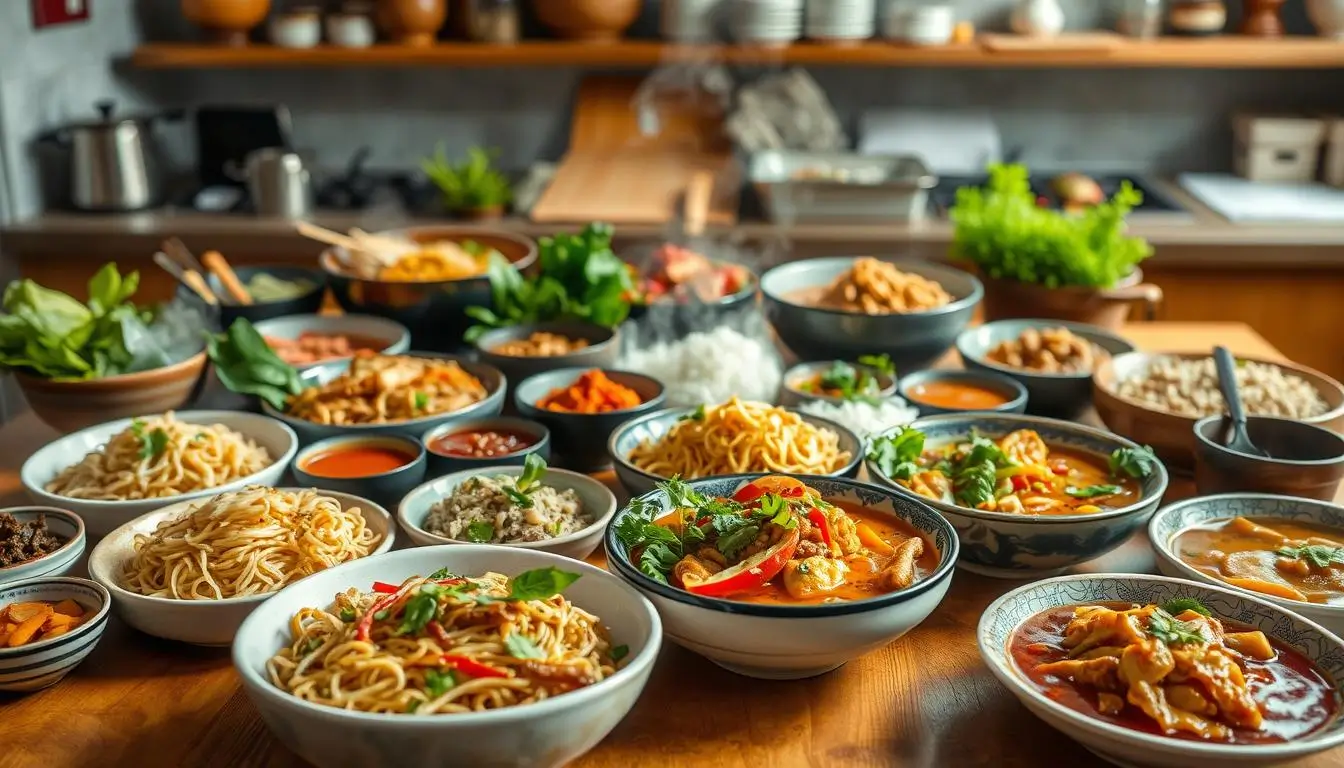
Table of Contents
Are you ready to explore the world of Asian cuisine? You can try dishes like Beef & Broccoli, Indian Butter Chicken, and Pad Thai. These easy recipes let you enjoy the rich flavors and aromas of Asia.
From spicy Korean Bibimbap to savory Vietnamese Bánh Mì, there’s something for everyone. You can find many options to match your taste and preferences.
As you start cooking Asian dishes, you’ll find simple yet elegant recipes. Chicken Yakitori, Pad See Ew, and Mango Sticky Rice are just a few examples. Most recipes take about 38 minutes to make, so you can quickly enjoy delicious meals.
Whether you’re an experienced cook or just starting, Asian cuisine has something for you. You can make quick stir-fries or complex curries. It’s all about exploring and having fun in the kitchen.
Key Takeaways
- Explore a variety of easy asian recipes, including Beef & Broccoli, Indian Butter Chicken, and Pad Thai
- Discover the rich flavors and aromas of homemade asian dishes, such as Vietnamese Bánh Mì and Korean Bibimbap
- Learn to create delicious and easy asian recipes in approximately 38 minutes or less
- Find inspiration in popular dishes like Chicken Yakitori, Pad See Ew, and Mango Sticky Rice
- Enjoy the simplicity and elegance of asian cuisine recipes, from stir-fries to curries
- Get started with easy asian recipes and explore the diverse world of asian cuisine
- Experiment with different ingredients and flavors to create your own unique asian cuisine recipes
Understanding the Fundamentals of Asian Cuisine Recipes
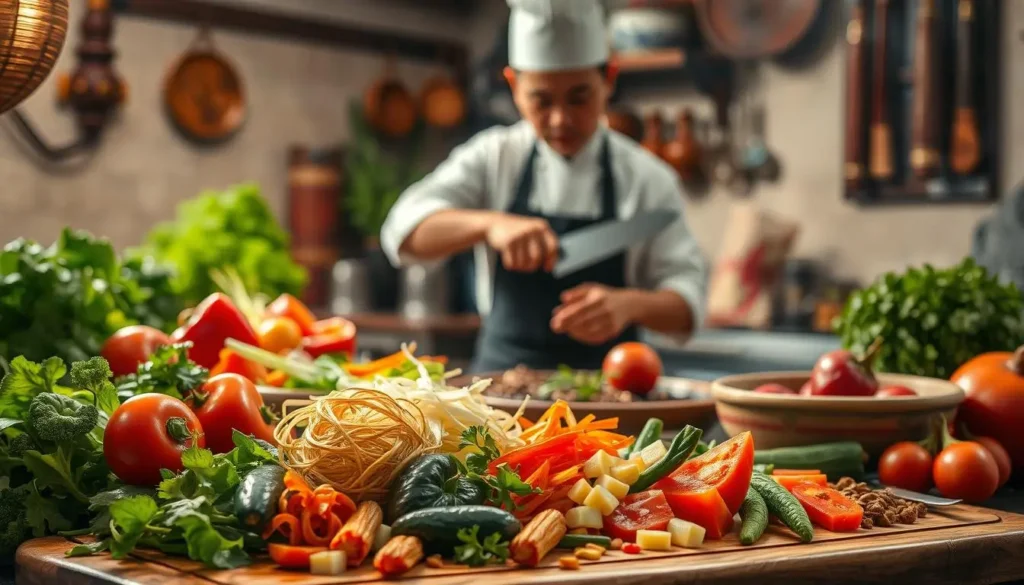
Exploring Asian cuisine reveals a focus on balance and harmony. To make authentic Asian flavors, you must grasp the basic techniques and ingredients. From spicy Szechuan dishes to Japan’s subtle tastes, popular Asian dishes stand out for their bold and varied flavors.
Fresh ingredients are key in traditional Asian cooking. This includes stir-frying veggies, steaming fish, or braising meat. The goal is to enhance the natural flavors of the ingredients. Asian cooks use various techniques like stir-frying, steaming, braising, and grilling.
Flavor balance is also vital in Asian cuisine. Soy sauce, ginger, and chili peppers are common in many recipes. These ingredients blend to create a unique and authentic Asian flavor. With so many popular Asian dishes, you’re bound to find something you like.
Learning the basics of Asian cuisine recipes lets you make delicious dishes at home. Whether cooking for yourself or others, the secret is balancing flavors and using fresh, quality ingredients. So, why not dive into traditional Asian cooking today and explore the many popular Asian dishes out there?
Must-Have Asian Pantry Ingredients
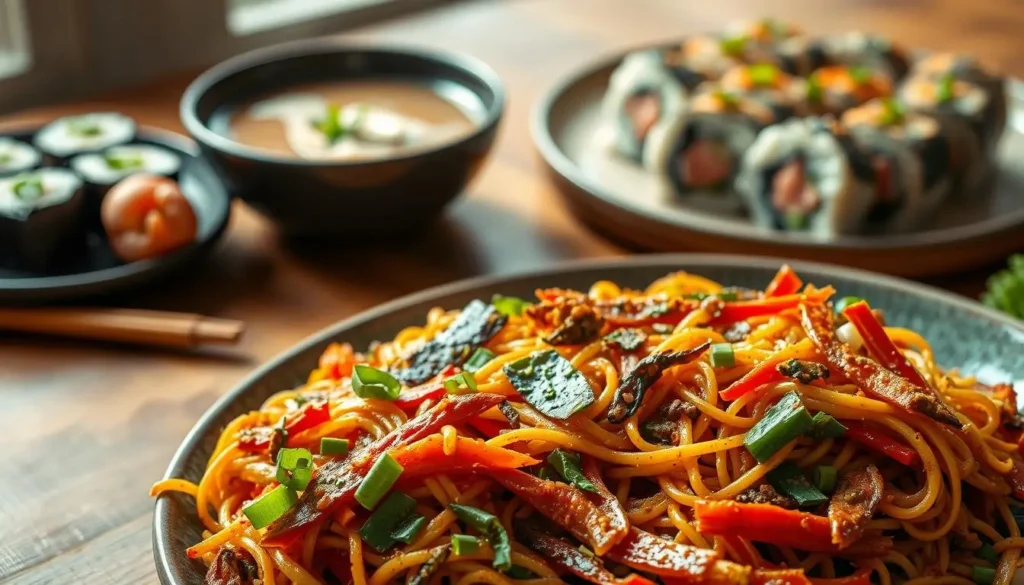
To cook delicious homemade Asian dishes, you need the right pantry ingredients. A well-stocked pantry lets you make many easy Asian recipes. Some key ingredients include:
- Soy sauce: a staple in Asian cooking, used to add flavor to various dishes
- Rice vinegar: used as a substitute for other vinegars, adding a unique flavor to dishes
- Sesame oil: used sparingly to add a distinct flavor to dishes, without overpowering them
- Ginger, garlic, and scallions: considered the “holy trinity” of Chinese cooking, essential for flavoring dishes
- Oyster sauce: a good quality oyster sauce is considered expensive but is deemed worth the investment for enhancing flavors in dishes
These ingredients will help you create a variety of homemade Asian dishes. You can make stir-fries, noodle dishes, and more. With these ingredients, you can make dishes like Chinese BBQ Pork Meatballs, Easy Korean Beef Bowl, and Mongolian Beef with brown rice.
Essential Kitchen Tools for Asian Cooking
Having the right kitchen tools is key for traditional Asian cooking. To get authentic flavors, you need a few important pieces of cookware. A nonstick skillet, for example, is great for many Asian dishes. It should be 11” to 12” in diameter for cooking for more than two people.
A wok is also crucial for Asian cooking. You’ll need a flat-bottom wok and a gas stove for the best results. The wok size depends on how many you’re cooking for. A 11” to 12” wok is good for three to four people.
Other important tools include a fine mesh skimmer, cooking chopsticks, and a kitchen scale. A rice cooker is also a great investment. It cooks brown rice and multigrain rice perfectly without soaking. With these tools, you’ll be able to make delicious and authentic Asian dishes.
Quick and Easy Asian Stir-Fry Dishes
Stir-fry dishes are a hit for quick meals. They’re simple to make and ready in under 30 minutes. You can pick from many easy recipes to whip up a tasty, healthy meal fast.
Beef and broccoli, chicken with veggies, and tofu with mixed veggies are favorites. These dishes are not only quick but also full of nutrients and flavor. Serve them with rice or noodles for a complete meal.
Here are some tips for making quick and easy stir-fry dishes:
- Use a wok or large skillet to cook the ingredients quickly and evenly.
- Choose your ingredients wisely, selecting a variety of colorful vegetables and your favorite protein source.
- Use a small amount of oil to stir-fry the ingredients, making the dish low in fat and calories.
Stir-fry dishes are also super customizable. You can pick your favorite ingredients and seasonings for a unique meal. With so many easy recipes, you can try a new stir-fry every day.
Mastering Asian Rice and Noodle Preparations
Asian cuisine is famous for its authentic asian flavors. Rice and noodles are key parts of it. Knowing the different types of rice and noodles is important. For example, jasmine rice is used in Southeast Asia, while ramen noodles are a favorite in Japan.
Perfect Rice Cooking Methods
Cooking rice right is key in Asian dishes. The right water ratio and cooking method are crucial. For instance, Japanese short-grain rice needs more water than Indian basmati rice.
Popular Asian Noodle Varieties
Asian noodles vary in shape, size, and texture. Popular asian dishes like pad Thai and Vietnamese pho use rice noodles. Japanese ramen and udon noodles, on the other hand, are made from wheat flour.
Sauce Pairing Guidelines
Choosing the right sauce can make a dish better. In Southeast Asia, soy sauce and fish sauce are common. In Japan, tonkatsu sauce is often used. Here are some good pairings:
- Soy sauce and rice vinegar for Japanese dishes
- Fish sauce and lime juice for Southeast Asian dishes
- Hoisin sauce and rice vinegar for Chinese dishes
Mastering Asian rice and noodle cooking lets you make many authentic asian flavors and popular asian dishes. These dishes will surely impress your family and friends.
Traditional Asian Cooking Methods and Techniques
Traditional Asian cooking uses many methods and techniques passed down through generations. At its core, traditional Asian cooking aims to bring out authentic Asian flavors. These flavors are achieved through techniques like steaming, braising, and roasting. These methods keep ingredients nutritious and enhance their taste and texture.
Steaming is key in traditional Asian cooking for dishes like dim sum. It keeps ingredients fresh and flavorful. Braising, on the other hand, is for richer dishes. Meat is cooked in liquid over low heat for a long time, making it tender and full of authentic Asian flavors.
Stir-frying, deep frying, and roasting are also important in traditional Asian cooking. Stir-frying is fast and used a lot in Chinese cooking. It cooks ingredients quickly over high heat, keeping their authentic Asian flavors intact. Deep frying makes food crispy, and roasting brings out rich, caramelized flavors. Each method adds something special to the world of traditional Asian cooking, making every dish a showcase of authentic Asian flavors.
Popular Asian Soup and Broth Recipes
Soups and broths are key in Asian cuisine. You’ll find everything from clear Chinese wonton soup to rich Korean kimchi stew. These dishes highlight the importance of using fresh, seasonal ingredients.
Many Asian soups can be ready in under 30 minutes. For instance, miso soup takes about 20 minutes. Yuzu shio ramen, made with leftover turkey or chicken, takes around 30 minutes. Taiwanese sesame oil chicken soup is also quick to make, perfect for meal prep.
Here are some key ingredients and preparation times for popular Asian soups:
- Chinese Noodle Soup: 15 minutes (5 minutes prep, 10 minutes cook)
- Miso Soup: 20 minutes
- Yuzu Shio Ramen: 30 minutes
- Taiwanese Sesame Oil Chicken Soup: 20-25 minutes
These soups are not only tasty but also full of nutrients. They’re great for a healthy diet. With prep times ranging from 10 to 45 minutes, they’re easy to fit into your meal plan.
Authentic Asian Sauce and Marinade Recipes
To enjoy the real taste of Asian cuisine, you need top-notch sauces and marinades. These add-ons can make your dishes taste amazing. You can pick from many options like soy sauce, oyster sauce, teriyaki, and satay sauce.
When making your own sauces and marinades, think about these ingredients: * Soy sauce * Oyster sauce * Garlic * Ginger * Sesame oil These will help you get the true Asian flavors you want in your dishes.
* 2 tbsp soy sauce * 1 tbsp oyster sauce * 1 tsp grated ginger * 1 tsp garlic, minced * 1 tsp sesame oil Mix these ingredients to make a marinade for your favorite protein or veggies. With these flavors, your dishes will surely wow everyone.
Vegetarian and Vegan Asian Dishes
Asian cuisine has many delicious asian food choices for vegetarians and vegans. You can make healthy asian cuisine with rice, noodles, tofu, and veggies. These dishes are tasty and filling.
Popular vegan dishes include stir-fries, curries, and noodle bowls. You can use tofu, tempeh, and seitan. Season them with Asian sauces and spices.
Here are some tips for making healthy asian cuisine vegetarian and vegan dishes:
- Use colorful veggies for flavor and texture.
- Add plant-based proteins like tofu, tempeh, and seitan.
- Try different Asian sauces and spices for flavor.
With a bit of creativity, you can make delicious asian food that’s both healthy and tasty. Whether you want a spicy stir-fry or a hearty noodle bowl, there are many choices.
Time-Saving Tips for Asian Cooking
Asian cooking is all about saving time. Busy lives mean we need quick, tasty meals. Luckily, quick asian meals and easy asian recipes are both delicious and healthy.
Start by planning your meals and prep work. Chop veggies or marinate meat ahead of time. This can cut cooking time by 30%, perfect for a quick asian meal on a tight schedule.
Meal Prep Strategies
- Prepare ingredients in advance to reduce cooking time
- Use pre-cut or pre-cooked ingredients to save time
- Plan your meals for the week to ensure you have all the necessary ingredients
Make-ahead sauces are another big help. They add flavor without the long cooking time. This is great for easy asian recipes needing a quick sauce.
Make-Ahead Sauce Combinations
- Prepare a batch of stir-fry sauce to use throughout the week
- Make a large batch of curry sauce to freeze for later use
- Experiment with different sauce combinations to find your favorite
These tips make Asian cooking quicker and easier. You can enjoy easy asian recipes even on the busiest nights. Whether it’s a quick asian meal or a big feast, you’ll save time and effort.
Common Asian Cooking Mistakes to Avoid
When cooking Asian dishes, it’s easy to make mistakes. These mistakes can ruin the authentic asian flavors and the dish’s quality. To make delicious asian food, avoid common errors like overcrowding the wok, skipping the marinade, and using the wrong soy sauce.
Here are some common mistakes to avoid:
- Overcrowding the wok, which can lead to steaming instead of stir-frying
- Skipping the marinade, which can result in a lack of depth of flavor
- Using the wrong type of soy sauce, which can affect the color and flavor of the dish
By avoiding these mistakes, you can create authentic asian flavors and enjoy delicious asian food at home. Use the right ingredients, follow proper cooking techniques, and focus on presentation. This will improve your Asian cooking experience.
With practice and patience, you can master the art of Asian cooking. You’ll enjoy a variety of delicious asian food dishes. These dishes will be full of authentic asian flavors.
| Mistake | Effect | Solution |
|---|---|---|
| Overcrowding the wok | Steaming instead of stir-frying | Cook in small batches |
| Skipping the marinade | Lack of depth of flavor | Marinate ingredients before cooking |
| Using the wrong type of soy sauce | Affects color and flavor | Use light soy sauce for seasoning and dark soy sauce for color |
Conclusion: Mastering Your Asian Cooking Journey
Starting your journey in Asian cooking is exciting. It’s a path filled with learning, trying new things, and enjoying every step. The recipes and dishes you’ve found are just the start. Keep exploring, trying new flavors, and don’t worry about mistakes.
Getting better at cooking Asian dishes takes practice. Try out different ingredients and techniques. Find what you like best. Let the smells and tastes of Asian cooking inspire you. With effort, you’ll grow to love the traditions and health benefits of this cuisine.
Cooking is more than just making food. It’s about the journey, the time with family, and the joy of creating. As you learn more about Asian cooking, keep exploring and enjoying. The rewards of mastering this cuisine are worth all the hard work.
Rate & Reviews
⭐ Which Asian recipe caught your attention?
Tried one of the recipes in this collection? Leave a rating and share your experience in the comments. Tell us which dish you enjoyed most and what you thought of the flavors.
🥢 Did you give the recipe your own twist?
Maybe you changed the spices, added vegetables, tried a different sauce, or used your favorite ingredients. Share your version and cooking tips with other readers.
❤️ Found a new favorite Asian dish?
Don’t keep it to yourself! Share this collection with friends and family who love discovering delicious Asian-inspired meals.
🍜 What Asian dish should we feature next?
Have a favorite recipe from Chinese, Japanese, Thai, Korean, or another Asian cuisine? Tell us in the comments and suggest a recipe you’d love to see next!