Easy Moroccan Vegetarian Recipes: Best 10 Traditional Dishes
Easy Moroccan Vegetarian Recipes
The smell of spices filled my kitchen as I watched my grandmother cook. She was layering vegetables in her clay tagine. She said, “Vegetarian Moroccan food is more than just eating. It’s celebrating culture, tradition, and flavors.”
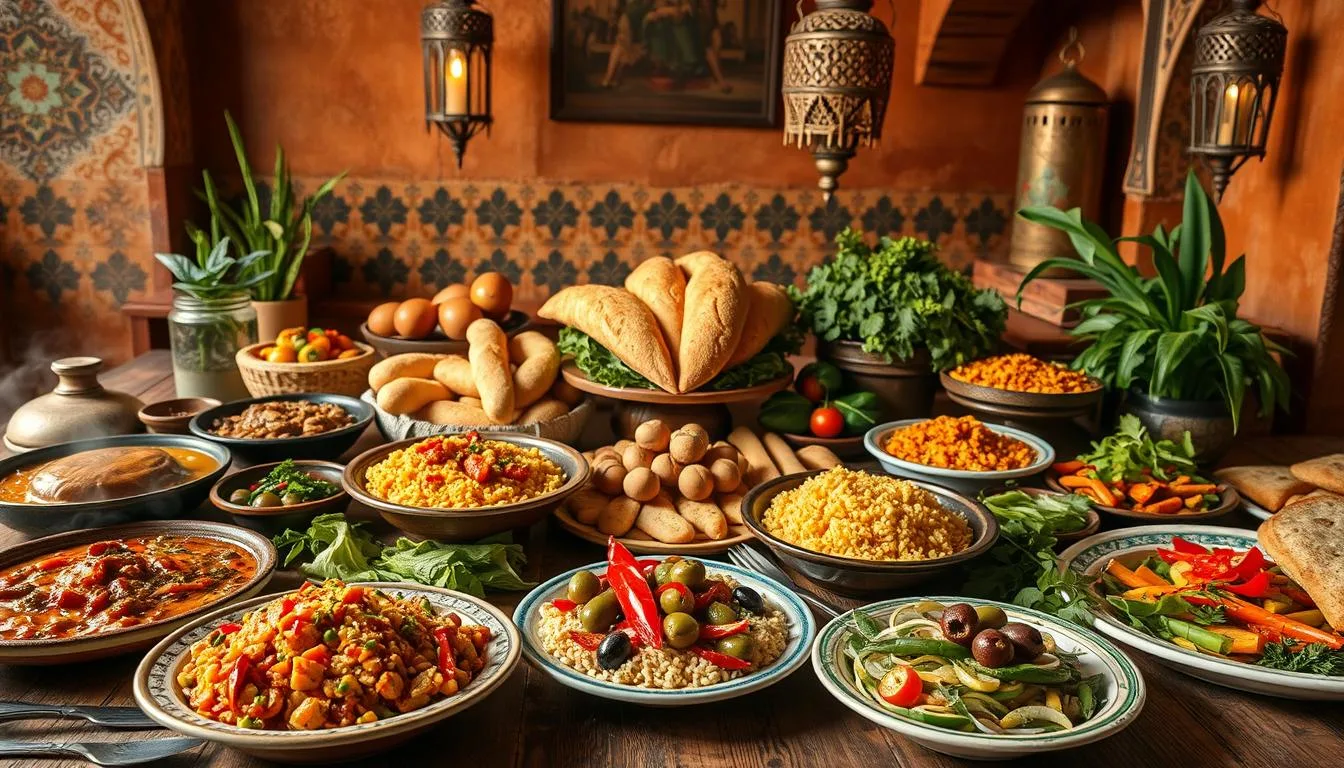
Moroccan cuisine is a world of vegetarian delights. These easy recipes show a tradition rich in fresh ingredients and spices. They use old cooking techniques that make every dish special.
Vegetarian Moroccan food is not just about plants. It’s a sophisticated art where vegetables are the main attraction. They are seasoned and cooked with techniques passed down through generations.
Key Takeaways
- Discover authentic vegetarian Moroccan recipes that are both delicious and easy to prepare
- Learn how spices transform simple vegetables into extraordinary dishes
- Explore traditional cooking methods unique to Moroccan cuisine
- Understand the cultural significance behind each recipe
- Gain confidence in creating restaurant-quality vegetarian meals at home
Understanding Moroccan Vegetarian Cuisine
Moroccan cuisine is a world of vibrant flavors. It turns simple ingredients into amazing vegetarian dishes. Recipes like authentic couscous vegetarian show North Africa’s rich culinary heritage. They mix complex spices with fresh ingredients for unforgettable meals.
Moroccan cooking is all about spices and techniques. These elevate plant-based foods to new heights. Each dish is a story of tradition and creativity.
The Role of Spices in Moroccan Cooking
Spices are the heart of Moroccan cuisine. They make simple ingredients into amazing meals. Key spices in Moroccan chickpea recipes include:
- Cumin: Earthy and warm
- Coriander: Citrusy and bright
- Saffron: Luxurious and complex
- Paprika: Sweet and slightly smoky
Essential Moroccan Pantry Ingredients
Your pantry is key to authentic Moroccan vegetarian cooking. Make sure to have these essential ingredients:
| Ingredient | Purpose |
|---|---|
| Preserved Lemons | Adds bright, tangy flavor |
| Olive Oil | Base for cooking and dressing |
| Harissa Paste | Spicy chili condiment |
| Ras el Hanout | Complex spice blend |
Traditional Cooking Methods
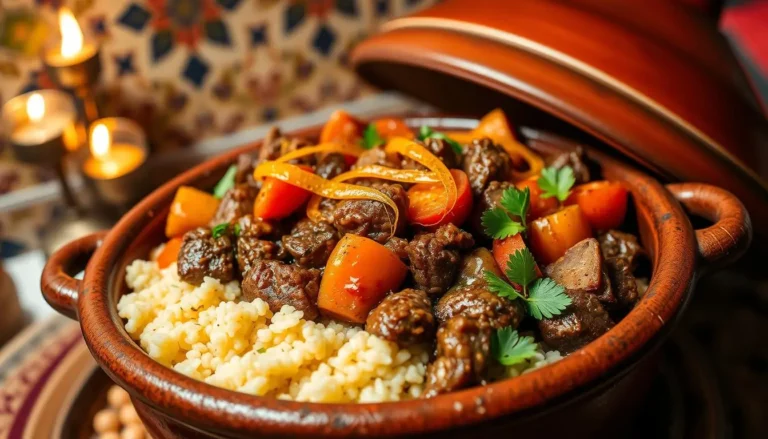
Moroccan cooking is all about slow, intentional preparation. The tagine—a cone-shaped clay pot—steams ingredients. This develops deep, rich flavors. Slow cooking is not just a technique, but a culinary philosophy.
“In Moroccan cuisine, every dish is a celebration of spices, technique, and cultural heritage.” – Moroccan Cooking Tradition
Easy Moroccan Vegetarian Recipes for Beginners
Starting with easy Moroccan vegetarian recipes can turn your kitchen into a lively place. These dishes are full of flavor and good for you, yet simple to make. They’re perfect for anyone new to cooking or wanting to try something different.
For beginners, some classic recipes are a great place to start. A quick Moroccan lentil stew is a great choice. It’s a great way to get into North African cooking.
- Lentil Stew (Quick Moroccan Lentil Stew)
- Vegetable Tagine
- Zaalouk (Eggplant Dip)
- Taktouka (Pepper and Tomato Salad)
Let’s look at the nutrition in a typical quick Moroccan lentil stew:
| Nutrient | Amount per Serving |
|---|---|
| Calories | 250 |
| Protein | 12g |
| Carbohydrates | 35g |
| Fat | 6g |
Moroccan vegetarian dishes often use spices like cumin, paprika, and coriander. These spices make simple veggies into amazing meals. They will amaze your taste buds.
“Cooking Moroccan vegetarian food is about embracing flavor, not restricting ingredients.” – Moroccan Culinary Experts
With a bit of practice, you’ll see these recipes are more than just food. They’re experiences that connect you to a rich tradition of plant-based cooking.
Vegetarian Tagine Mastery
Exploring Moroccan cuisine through spiced vegetable stews is a delightful journey. A tagine without meat can be just as tasty as traditional dishes. This cooking method turns simple veggies into amazing meals that excite your taste buds.
To master vegetarian tagine, you need to know about the special equipment and techniques. The unique conical pot creates a cooking space that focuses flavors and keeps food moist.
Selecting the Perfect Tagine Pot
When picking a tagine pot, keep these points in mind:
- Material: Clay or ceramic pots offer the most authentic cooking experience
- Size: Choose a pot that fits your serving needs
- Base type: Make sure the pot works on stovetops or in ovens
- Quality: Opt for hand-crafted Moroccan pots for traditional looks
Essential Cooking Techniques
To make tasty spiced vegetable stews, follow these techniques:
- Layer ingredients carefully, starting with harder vegetables at the bottom
- Use low, slow heat to develop deep flavors
- Add liquid sparingly – vegetables release their own moisture
- Season generously with traditional Moroccan spice blends
Avoiding Common Mistakes
Stay away from these common mistakes to avoid disappointing results:
- Overcrowding the pot, which prevents proper steam circulation
- Using high heat that can burn delicate vegetables
- Removing the lid too frequently during cooking
- Skipping the important step of marinating vegetables
Pro tip: A tagine without meat can be just as rich and satisfying when you focus on building layers of flavor through spices and careful cooking techniques.
Authentic Couscous and Grain Dishes
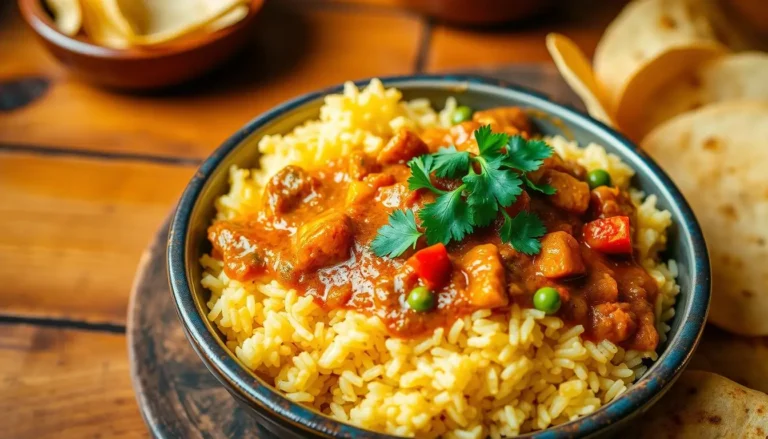
Couscous is a key part of Moroccan vegetarian food. It comes from Berber cooking traditions. It turns simple ingredients into tasty meals that show off Moroccan cooking.
Looking for easy Moroccan vegetarian recipes? Couscous is a great choice. It’s a blank slate for colorful veggies, spices, and flavors that make Moroccan food special.
- Traditional Berber-style vegetable couscous
- Spiced grain medleys with seasonal vegetables
- Quick and nutritious one-pot meals
Making authentic couscous needs some special steps. You must steam it carefully to get it just right. It’s all about gentle handling and slow cooking.
Tfaya is a favorite in Rabat and Marrakech. It makes couscous even better with caramelized onions and raisins. This method adds sweetness and depth to vegetarian grain dishes, making meals unforgettable.
“Couscous is not just a food, it’s a celebration of Moroccan culinary heritage.” – Moroccan Cooking Tradition
Exploring Moroccan vegetarian cooking with grain dishes is thrilling. Each recipe shares stories of cultural richness and creativity. It invites you to discover flavors loved for generations.
Moroccan Salads and Cold Appetizers
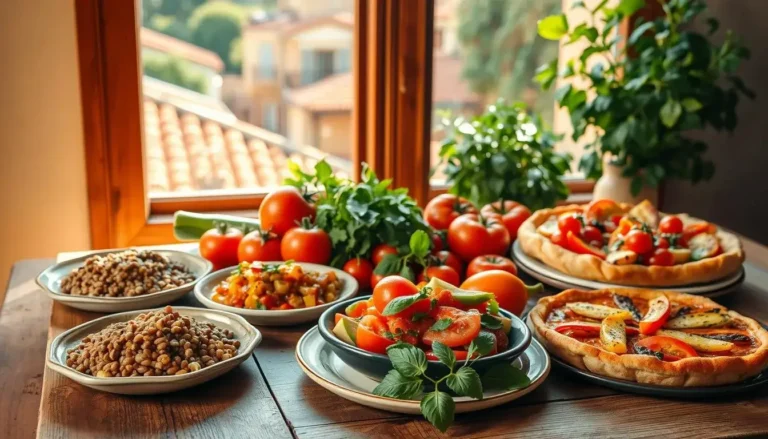
Vegetarian Moroccan cuisine is full of vibrant cold appetizers. These dishes are bursting with flavor and freshness. They turn simple ingredients into culinary wonders that will excite your taste buds.
Cold appetizers, or mezze, are key in Moroccan dining. They are delightful starters that highlight the rich flavors of vegetarian Moroccan dishes. Each region adds its own special touch to these tasty dishes.
Traditional Zaalouk (Eggplant Dip)
Zaalouk is a key dish in Moroccan cooking. It’s a smoky eggplant dip made with roasted eggplants, tomatoes, garlic, and spices.
| Ingredient | Quantity |
|---|---|
| Eggplant | 2 medium |
| Tomatoes | 3 ripe |
| Garlic | 3 cloves |
| Olive Oil | 3 tbsp |
Taktouka (Pepper and Tomato Salad)
- Fresh bell peppers
- Ripe tomatoes
- Garlic and spices
- Served cold or warm
Moroccan Carrot Salad
This salad is a great example of vegetarian Moroccan cuisine’s versatility. It’s made with fresh carrots, herbs, and a zesty dressing. It’s a perfect mix of flavors.
Pro tip: Always use fresh, local ingredients for the most authentic taste experience.
Hearty Moroccan Legume Dishes
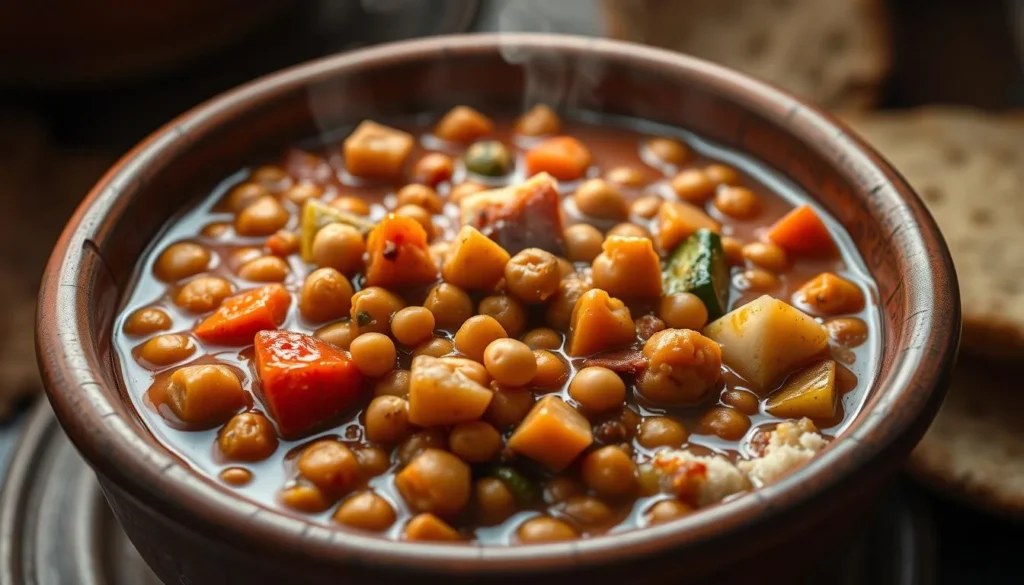
Explore the world of Moroccan chickpea recipes and quick Moroccan lentil stew. These dishes will change how you cook with plants. Legumes are key in Moroccan vegetarian food, offering tasty and healthy meals that are simple to make.
Traditional Moroccan legume dishes mix amazing spices with healthy ingredients. You’ll learn about protein-rich recipes that highlight chickpeas and lentils’ versatility.
- Protein-rich vegetarian harira soup
- Spiced chickpea stews
- Hearty lentil-based main courses
- Nutritious one-pot legume meals
Nutrition experts praise Moroccan chickpea recipes for their health benefits. A quick Moroccan lentil stew is packed with nutrients:
| Nutrient | Amount per Serving |
|---|---|
| Calories | 275 |
| Protein | 15g |
| Carbohydrates | 35g |
| Fiber | 12g |
When making these dishes, layer spices like cumin, paprika, and coriander for flavor. Fresh herbs and a squeeze of lemon can make your legume meals stand out.
Pro tip: Soak dried legumes overnight for the most authentic and tender results in your Moroccan recipes.
Traditional Moroccan Bread and Pastries
Exploring easy Moroccan vegetarian recipes opens a world of tasty breads and pastries. These dishes are not just delicious but also carry deep cultural meaning. They show the beauty and taste of Moroccan baking.
Bread and pastries are key in Moroccan food culture. Each recipe has a story of tradition passed down through generations. They bring unique textures and flavors to our tables.
Making Perfect Khobz
Khobz, the classic Moroccan round bread, is a must-try in vegetarian Moroccan cuisine. To make a real loaf, you need:
- High-quality semolina flour
- Active dry yeast
- Warm water
- Salt
- Olive oil
Vegetarian Pastilla Variations
Traditional pastilla gets a vegetarian twist with new fillings. These fillings bring Morocco’s lively flavors to life. Try these tasty options:
- Spinach and almond pastilla
- Roasted vegetable pastilla
- Mushroom and herb pastilla
Baghrir (Thousand-Hole Pancakes)
These spongy pancakes are a favorite for breakfast in Morocco. Baghrir uses semolina and yeast for a light, airy texture. It’s perfect for soaking up honey or butter.
| Ingredient | Amount | Calories |
|---|---|---|
| Semolina Flour | 1 cup | 180 |
| Active Dry Yeast | 2 tsp | 10 |
| Warm Water | 1.5 cups | 0 |
| Salt | 1/4 tsp | 0 |
Learning these easy Moroccan vegetarian recipes will take you on a flavorful journey to Morocco. It’s a delicious way to explore a rich culinary tradition.
Moroccan Soups and Stews
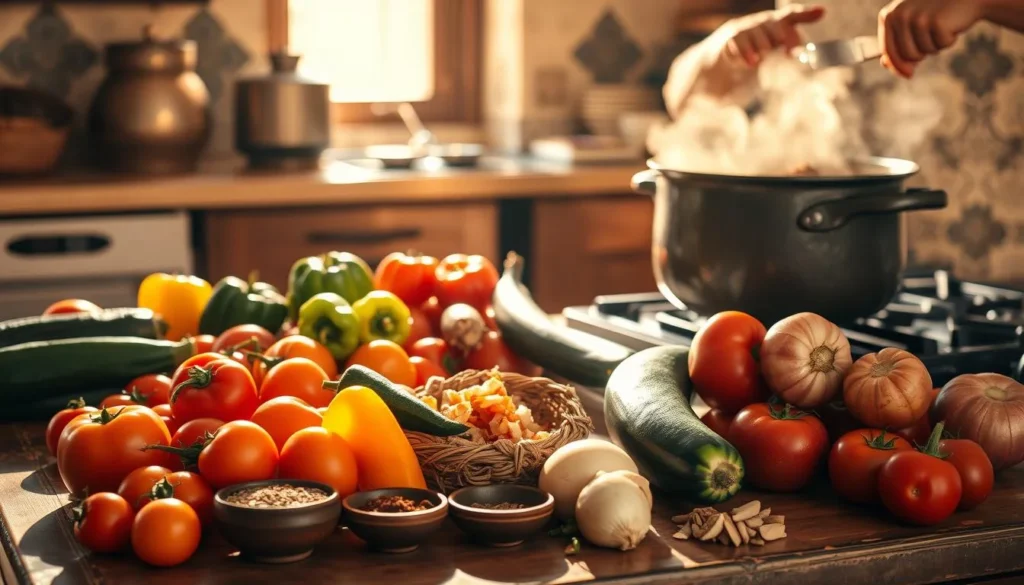
Explore the world of Moroccan cuisine with its warm vegetarian soups and stews. A quick Moroccan lentil stew is a comfort food that’s both nutritious and flavorful. It’s a mix of spices and healthy ingredients.
Vegetarian stews in Moroccan cooking are more than just food. They celebrate flavor and tradition. Spiced vegetable stews capture the heart of North African cuisine. They blend fresh veggies with spices that excite your taste buds.
- Rich in plant-based proteins
- Packed with complex flavors
- Nutritionally balanced meals
Traditional Moroccan soups like harira can be made vegetarian. Use chickpeas and lentils instead of meat. This makes a hearty dish that respects old traditions and fits today’s diets.
Here’s what you need for your Moroccan lentil stew:
- Red lentils
- Onions and garlic
- Cumin and paprika
- Fresh tomatoes
- Vegetable broth
Your spiced vegetable stews will become a favorite. They offer warmth, nutrition, and a true taste of Morocco in your kitchen.
Essential Spice Blends and Sauces
Spices are the heart of vegetarian Moroccan cuisine. They turn simple ingredients into vibrant, aromatic dishes. Learning a few key spice blends and sauces can make your simple harissa vegetables stand out.
Moroccan cooking is all about complex flavors. These add depth and excitement to vegetarian dishes. Essential spice blends and sauces are the secrets to authentic vegetarian Moroccan cuisine.
Homemade Ras el Hanout
Ras el hanout is a magical spice blend. It captures the essence of Moroccan cooking. This aromatic mix includes:
- Ground cumin
- Cardamom
- Cloves
- Cinnamon
- Dried rose petals
- Ginger
Prep Time: 10 minutes | Total Time: 15 minutes | Servings: 1/2 cup
Chermoula Sauce
Chermoula sauce is a vibrant herb-based sauce. It brings life to simple harissa vegetables and other vegetarian dishes. Key ingredients are:
- Fresh cilantro
- Parsley
- Garlic
- Lemon juice
- Olive oil
- Cumin
Prep Time: 15 minutes | Total Time: 20 minutes | Servings: 1 cup
Harissa Paste
Harissa paste is a fiery condiment. It’s a staple in vegetarian Moroccan cuisine. Make your own harissa paste with:
- Dried red chilies
- Garlic
- Olive oil
- Caraway seeds
- Coriander
- Salt
Prep Time: 20 minutes | Total Time: 30 minutes | Servings: 1/2 cup
Pro tip: Store these spice blends in airtight containers. This keeps their flavors potent and enhances your vegetarian Moroccan cooking.
Serving and Presentation Tips
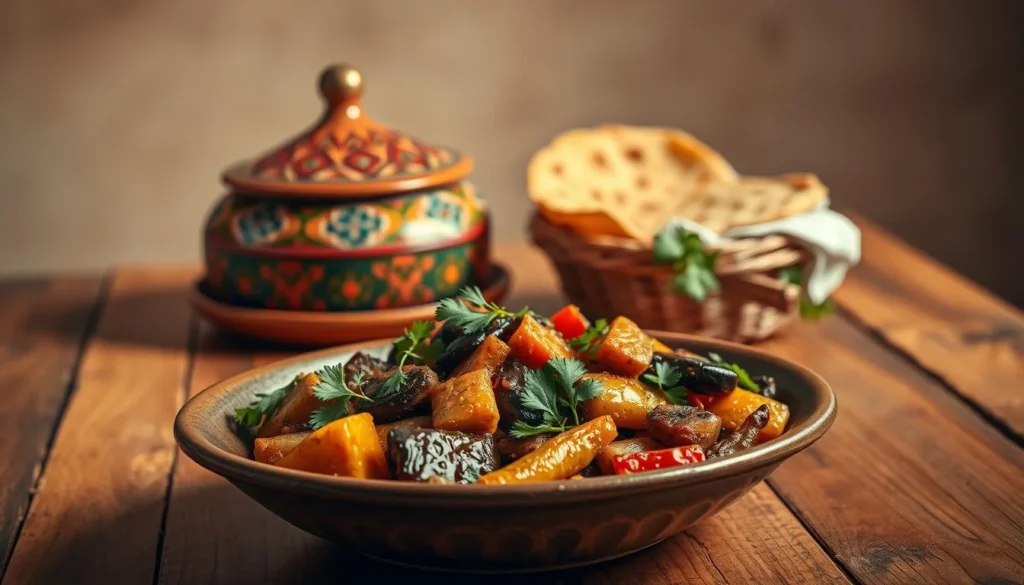
Creating a true Moroccan dining experience is more than just cooking tasty vegetarian dishes. The way you serve and present your food is key. It brings the real spirit of Moroccan cuisine to your table.
Here are some tips for presenting authentic couscous vegetarian dishes:
- Use traditional ceramic tagines or decorative serving platters
- Garnish with fresh herbs like cilantro and parsley
- Sprinkle toasted nuts or seeds for added texture
- Serve with small side dishes of harissa or preserved lemons
Moroccan meals are a feast for the senses. The look of your dish is as important as its taste. Arrange your couscous or vegetable tagines with care. Use colorful ingredients to make the plate stand out.
| Dish Type | Serving Suggestion | Typical Nutrition (per serving) |
|---|---|---|
| Vegetable Tagine | Serve in traditional clay pot | 250 calories, 12g protein, 35g carbs |
| Couscous | Mound centrally, garnish with herbs | 200 calories, 6g protein, 40g carbs |
| Zaalouk | Drizzle with olive oil, serve cold | 150 calories, 8g protein, 15g carbs |
Remember the Moroccan touch: fresh mint tea. Serve it in fancy glasses. Pour it from high up to make a beautiful foam. It’s the perfect end to your vegetarian feast.
Conclusion
Exploring easy Moroccan vegetarian recipes opens a world of vibrant flavors. Your kitchen can become a gateway to North African culinary traditions. Just a few simple techniques and authentic spices are needed.
Vegetarian Moroccan cuisine is a mix of taste, nutrition, and cultural richness. It goes beyond typical vegetarian meals. This guide shows how versatile and exciting plant-based cooking can be.
From hearty tagines to delicate salads, these dishes are both satisfying and delicious. Moroccan cooking celebrates vegetables, legumes, and grains. Every bite is an adventure of taste and texture.
As you try these easy Moroccan vegetarian recipes, remember cooking is about exploration. Each dish represents centuries of culinary tradition. It invites you to add your own creative touch.
The spices, techniques, and ingredients you’ll learn about can change your approach to plant-based cooking. They bring a taste of North Africa to your dining table.
With practice, you’ll become more confident in creating authentic vegetarian Moroccan cuisine. Your skills will turn simple ingredients into extraordinary meals. These meals celebrate Morocco’s rich culinary heritage.
⭐ Rate & Reviews
Which of these Easy Moroccan Vegetarian Recipes did you try? We’d love to hear how it turned out! Leave a rating and share your thoughts in the comments.
🥕 Did you add your own touch?
Tell us if you changed the spices, added different vegetables, or gave one of these traditional Moroccan dishes your personal twist.
❤️ Enjoyed the recipes?
Share this collection with friends and family who love flavorful, comforting, and easy vegetarian meals.
🇲🇦 What Moroccan dish should we feature next?
Have a favorite tagine, couscous, salad, or vegetable dish? Leave your suggestion below and let us know what you’d like to see!