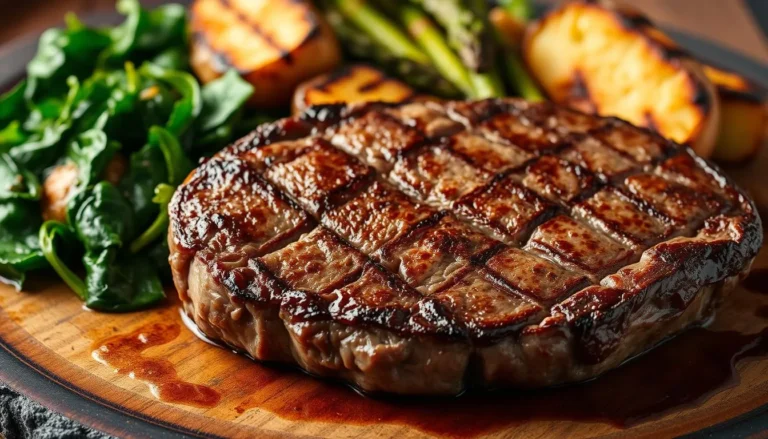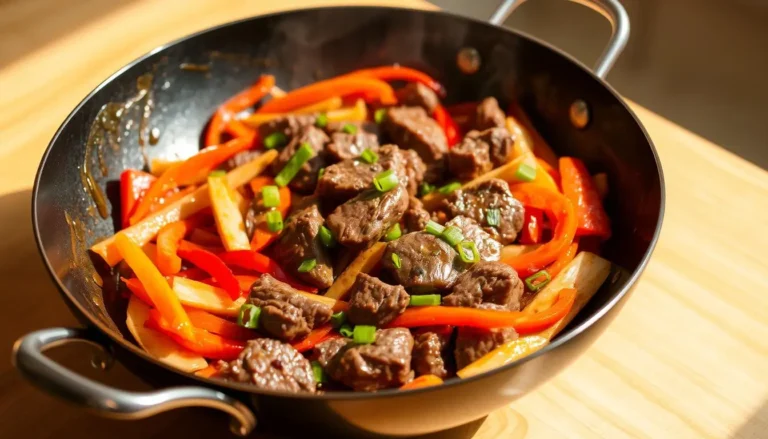
10 Best High Protein Beef Meals to Fuel Your Day
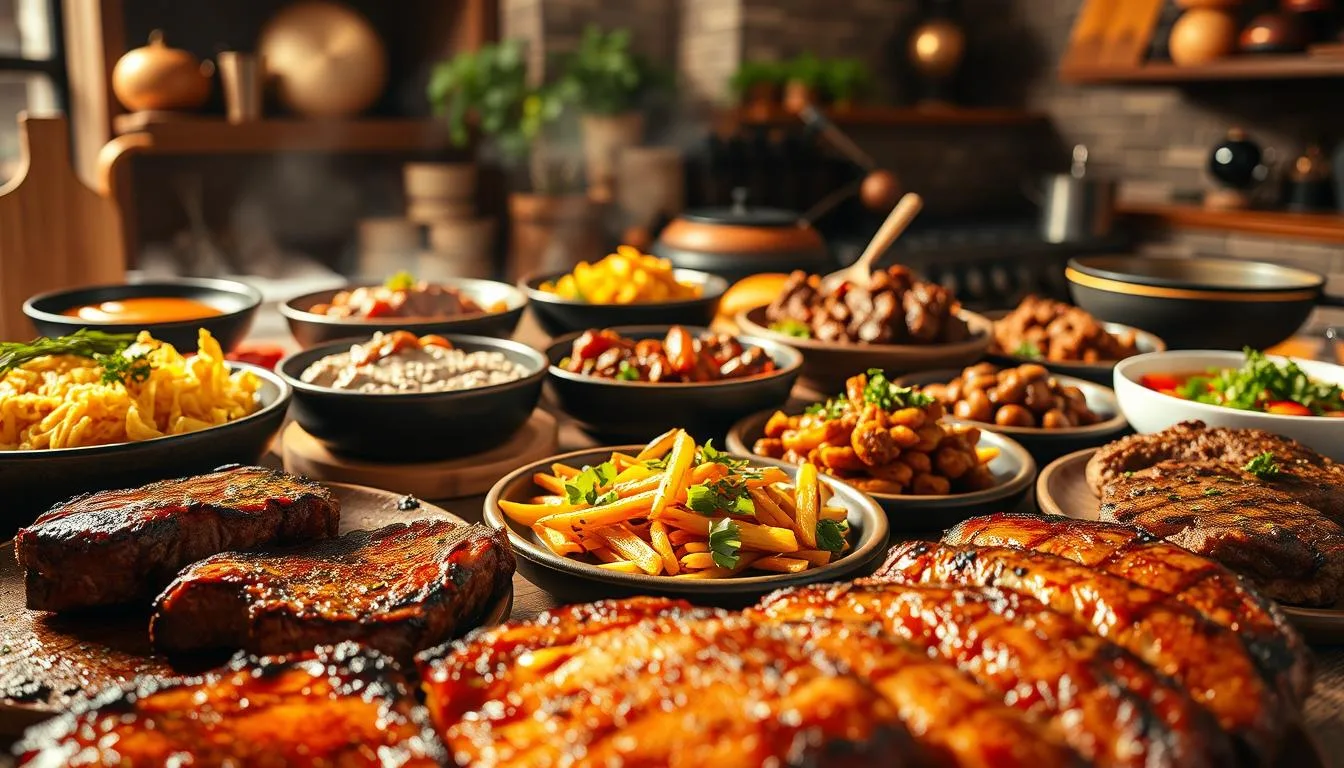
Finding meals that fuel your day can be tough, even for fitness fans. I’ve spent years looking for the best nutrition. High protein beef meals are key for strength and energy.
Beef is more than just protein; it’s packed with nutrients. It has all 9 essential amino acids. These recipes aren’t just for muscle; they change how you eat.
These meals are great for athletes, busy people, or anyone starting out. Each dish is picked for its nutritional value. You’ll get the most from every bite.
Key Takeaways
- Beef provides complete protein with all essential amino acids
- High protein beef meals support muscle growth and recovery
- Lean beef recipes offer versatile nutrition options
- Protein-rich meals help maintain steady energy levels
- Strategic meal planning maximizes nutritional benefits
Understanding the Power of High-Protein Beef Nutrition
Beef is a nutritional powerhouse that can change your diet and help your fitness goals. It’s a top choice for protein-rich dinner ideas, offering great nutritional value.
Your body needs high-quality nutrients, and beef has them in abundance. It fuels muscle growth and overall health. Nutritious beef dishes are a big win for active people.
Essential Nutrients in Beef
Beef is more than just protein. It’s a complete nutritional package. Here are the key nutrients you’ll find in a typical serving:
- High-quality complete protein
- Vitamin B12
- Zinc
- Iron
- Selenium
Protein Content and Muscle Building Benefits
A 3-oz serving of lean ground beef has 22 grams of protein. It’s perfect for muscle recovery and growth. Protein repairs muscle tissue, boosts metabolism, and keeps you full longer.
| Beef Cut | Protein per 3 oz | Calories |
|---|---|---|
| Sirloin Steak | 26g | 180 |
| Ground Beef (93% Lean) | 22g | 150 |
| Flank Steak | 23g | 160 |
Daily Protein Requirements for Active Individuals
If you’re an athlete or exercise often, you need more protein. Most active adults need 1.2 to 2 grams of protein per kilogram of body weight daily. Beef is a tasty way to meet these needs with protein-rich dinner ideas.
“Nutrition is the foundation of fitness. Choose wisely, eat strategically.” – Sports Nutrition Expert
Why Beef Should Be Your Go-To Protein Source
Beef is a nutritional powerhouse for muscle building. It’s packed with essential nutrients. These nutrients support muscle growth and overall health.
Your body needs high-quality protein, and beef entrees provide it. Here’s why beef should be your top choice:
- Complete amino acid profile for optimal muscle recovery
- Rich in iron for improved energy metabolism
- Abundant B-vitamins that support muscle function
- High protein bioavailability for maximum nutrient absorption
Protein has a unique metabolic advantage. It burns more calories than carbs or fats. This makes beef great for weight management and muscle building.
“Beef isn’t just food; it’s fuel for your body’s transformation.” – Nutrition Experts
Adding beef to your diet means investing in a nutrient-rich protein source. It supports your fitness goals. Whether you’re an athlete or fitness enthusiast, beef gives you the nutrients for muscle growth and recovery.
High Protein Beef Meals for Muscle Growth
Building muscle needs the right nutrition, and low carb high protein beef is key. Your protein intake affects muscle growth, recovery, and sports performance. The right beef meals can change your bodybuilding nutrition plan.
Protein at the right times boosts muscle protein synthesis. Bodybuilding beef recipes help you meet your nutritional needs and enjoy tasty meals.
Best Cuts for Protein Content
Choosing the right beef cuts boosts your protein intake. Here are the top protein-rich options:
- Sirloin steak: Lean and packed with protein
- Flank steak: Low in fat, high in protein
- Top round: Excellent for muscle building
- Lean ground beef: Versatile protein source
Optimal Portion Sizes
| Muscle Goal | Protein Portion | Recommended Serving |
|---|---|---|
| Muscle Maintenance | 4-5 oz | 20-25g protein |
| Muscle Growth | 6-8 oz | 30-40g protein |
Cooking Methods for Maximum Nutrition
Keep beef’s nutritional value by choosing cooking methods that preserve protein:
- Grilling: Minimal added fats
- Broiling: Retains nutrients
- Sous-vide: Precise temperature control
- Slow cooking: Tenderizes while maintaining protein
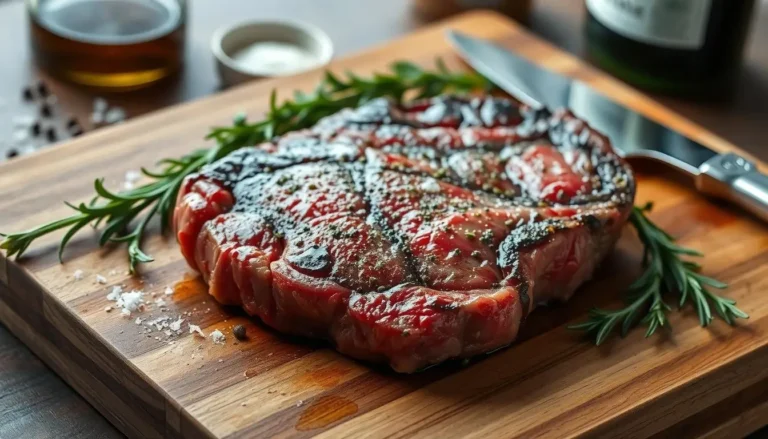
Pro tip: Always allow meat to rest after cooking to redistribute juices and maintain tenderness.
Consuming protein-rich beef in the evening supports overnight muscle protein synthesis and recovery.
Grass-Fed vs. Grain-Fed Beef: Making the Right Choice
Choosing between grass-fed and grain-fed beef can change how you think about nutrition. Grass-fed beef has special benefits that grain-fed beef doesn’t.
The nutritional values of these two types of beef are quite different. Grass-fed beef usually has:
- More omega-3 fatty acids
- More antioxidants
- More beneficial nutrients
- Leaner meat
Your choice of protein affects your health and performance. Grass-fed beef protein sources have more vitamins like E and beta-carotene. These animals eat grass, which makes their meat healthier.
Grass-fed beef also tastes different. It has a stronger, gamey flavor than grain-fed beef’s milder taste. This natural diet means grass-fed beef is packed with nutrients for your meals.
Not all beef is created equal. Your protein source matters!
While grain-fed beef is cheaper, grass-fed beef offers big nutritional benefits. Think about your diet goals, budget, and taste when choosing.
Meal Prep Strategies for High Protein Beef Dishes
Streamlining your meal prep can change how you enjoy high protein beef meals. Planning ahead lets you enjoy lean beef recipes without daily cooking stress. Meal prep helps you keep your nutrition consistent, saving time and energy.
Successful meal prep needs smart planning and techniques. Your goal is to make delicious, nutritious meals that fit your busy life.
Smart Storage Solutions
Proper storage keeps your high protein beef meals fresh. Use these key strategies:
- Invest in high-quality, airtight containers
- Separate wet and dry ingredients
- Label containers with preparation dates
- Use refrigeration within 3-4 days
Batch Cooking Guidelines
Boost your meal prep with these batch cooking tips:
- Choose lean beef cuts with high protein content
- Cook large quantities at once
- Portion meals into individual servings
- Use different cooking methods for variety
Reheating Methods
Keep your lean beef recipes’ taste and nutrition with careful reheating:
| Reheating Method | Recommended Technique | Tips |
|---|---|---|
| Oven | Low temperature (275°F) | Add moisture to prevent drying |
| Microwave | 50% power | Use short intervals, stir frequently |
| Stovetop | Low heat with lid | Add small amount of broth |
Pro tip: Always ensure beef reaches internal temperature of 165°F for food safety when reheating high protein beef meals.
Quick and Easy Beef Protein Recipes
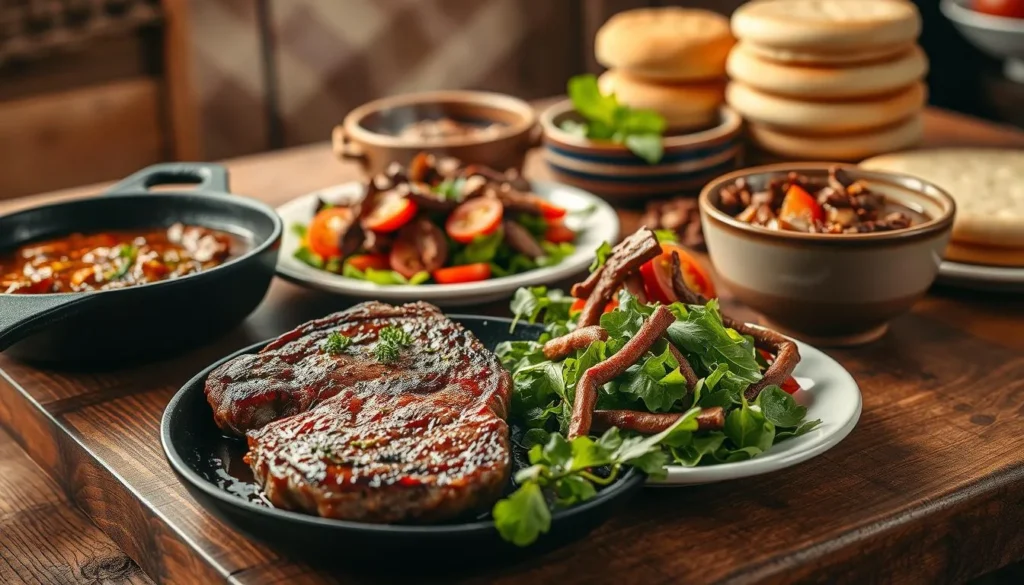
Looking for tasty protein-rich dinners that won’t take all night? Ground beef is your go-to for quick, nutritious meals. These recipes will turn your evening into a protein-packed feast that’s good for your body and taste buds.
Here are some fast beef recipe options that are full of nutrition and easy to make:
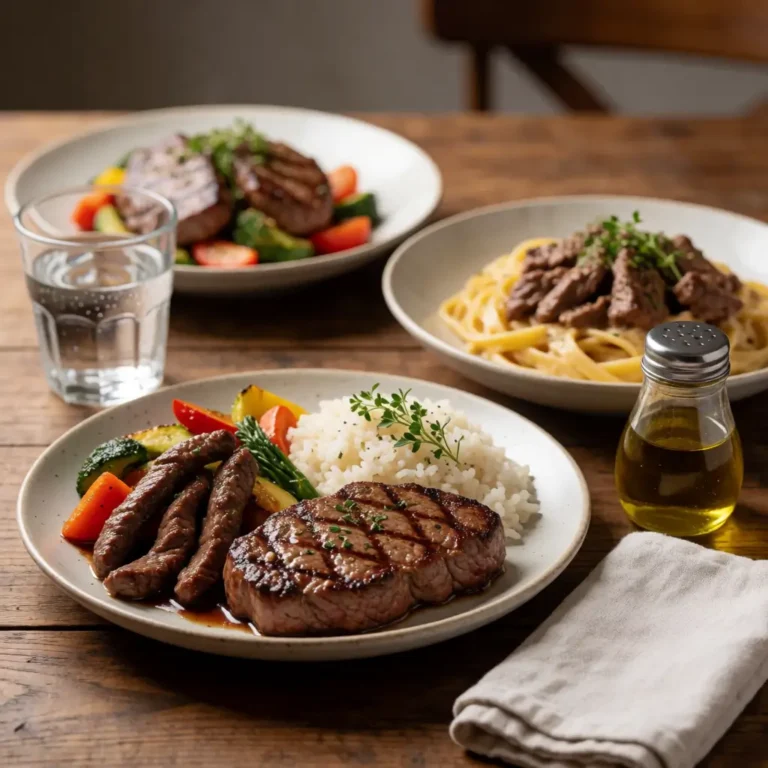
- Skillet Beef Taco Bowls: Combines lean ground beef, brown rice, and fresh vegetables
- Quick Beef Stir-Fry: Packed with protein and colorful vegetables
- One-Pan Beef and Veggie Skillet: Minimal cleanup, maximum flavor
Pro tip for busy home cooks: Prep ingredients ahead and store them. This saves time and keeps you ready for quick, healthy meals.
Each recipe below is done in under 30 minutes. They’re great for busy weeknights:
- Beef Lettuce Wraps (15 minutes)
- Mediterranean Beef Skillet (20 minutes)
- Spicy Beef and Quinoa Bowl (25 minutes)
The secret to great protein-rich dinners is simplicity and flavor. With these recipes, you’ll enjoy tasty meals that are quick and nourishing.
Pairing Beef with Complementary Nutrients
Creating muscle building meals is more than just picking good beef. The right mix of nutrients helps your body use proteins better. This makes your healthy beef dishes even more effective when paired with the right foods.
Best Carbohydrate Combinations
Carbs are key in supporting your protein intake. Here are the best carbs to pair with your meals:
- Sweet potatoes – give you complex carbs for lasting energy
- Brown rice – has B vitamins and fiber
- Quinoa – is a complete protein with extra amino acids
- Whole grain pasta – helps with muscle glycogen recovery
Vegetable Pairings for Enhanced Absorption
Some veggies can really boost how well you absorb nutrients from your beef. Foods high in vitamin C are great for iron absorption from beef.
| Vegetable | Nutrient Benefit | Recommended Serving |
|---|---|---|
| Bell Peppers | High Vitamin C, Enhances Iron Absorption | 1/2 cup chopped |
| Broccoli | Supports Protein Metabolism | 1 cup steamed |
| Spinach | Additional Iron and Minerals | 2 cups raw |
By carefully choosing what to pair with your beef, you can make meals that are not only delicious but also help you reach your fitness and nutrition goals.
Timing Your High Protein Beef Meals
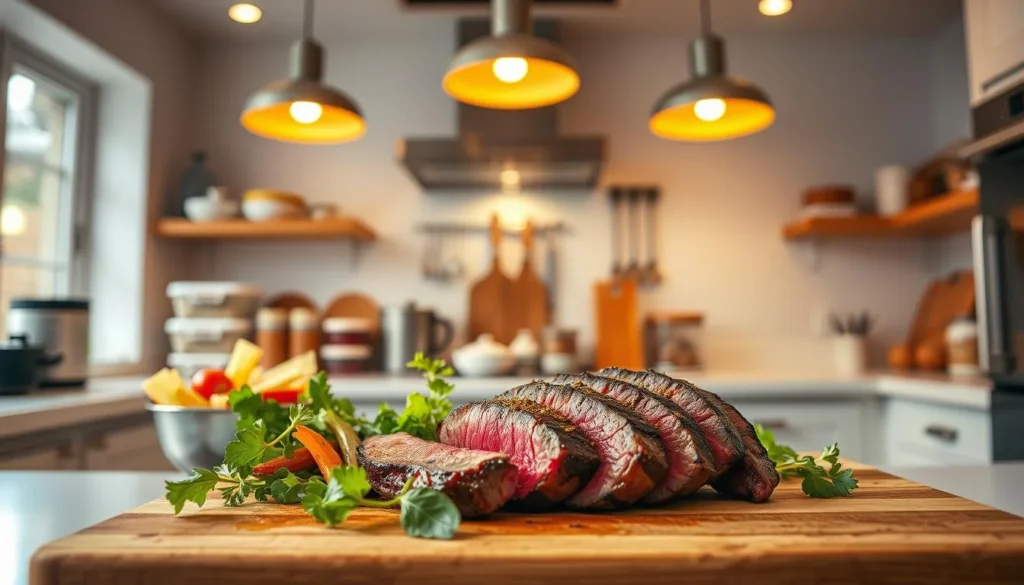
Timing your high protein beef meals right can really boost muscle growth and recovery. Your body absorbs protein and builds muscle best when you plan your meals carefully throughout the day.
When making bodybuilding beef recipes, keep these key meal times in mind:
- Pre-workout: Eat light, high protein beef 1-2 hours before working out
- Post-workout: Have a protein-rich meal within 30-45 minutes after exercising
- Breakfast: Begin with a protein-rich beef meal to boost your metabolism
- Evening: Have a light protein meal to help repair muscles while you sleep
Spreading out your protein intake across meals helps keep muscle building steady. Eating smaller, frequent meals helps avoid muscle breakdown and keeps your energy levels up.
| Meal Timing | Protein Goal | Recommended Beef Portion |
|---|---|---|
| Pre-workout | 20-25g | 3-4 oz lean beef |
| Post-workout | 25-30g | 4-5 oz grilled beef |
| Dinner | 30-35g | 5-6 oz beef portion |
Pro tip: Listen to your body and adjust meal timing based on your individual metabolic response and fitness goals.
Maximizing Recovery with Beef-Based Meals
Your post-workout nutrition is key for muscle recovery and growth. Meals with nutritious beef can help your body repair and strengthen muscles after hard workouts.
Protein is essential for muscle recovery. High-quality beef protein gives your body the amino acids it needs. These amino acids help fix muscle damage from training.
- Consume 20-30 grams of protein within 30 minutes after exercise
- Choose lean beef cuts for optimal protein intake
- Combine protein with complex carbohydrates for enhanced recovery
Here’s a detailed nutritional breakdown of an ideal post-workout beef recovery meal:
| Nutrient | Amount | Percentage Daily Value |
|---|---|---|
| Protein | 30g | 60% |
| Carbohydrates | 25g | 8% |
| Healthy Fats | 10g | 15% |
| Iron | 3.5mg | 20% |
| Zinc | 5mg | 45% |
Pro tip: Grass-fed beef offers superior nutrient profiles compared to grain-fed alternatives, making it an excellent choice for muscle building meals.
“Proper nutrition is 70% of your muscle-building success” – Sports Nutrition Experts
Tips for Cooking Perfect High-Protein Beef Dishes
Preparing delicious lean beef recipes needs skill and knowledge. Learning to cook healthy beef dishes can make your meals amazing. Whether you’re cooking at home or focusing on fitness, these tips will help you make tasty beef dishes that are good for you.
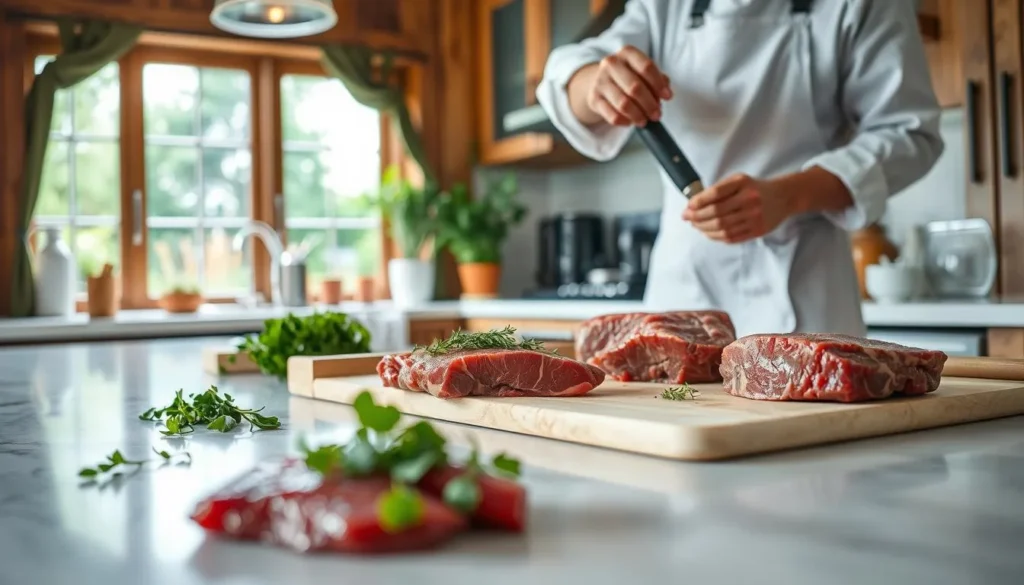
Cooking beef right isn’t just about taste. It’s also about keeping nutrients and making sure it’s safe to eat. Chefs and nutrition experts say that how you cook is as important as what you cook with.
Temperature Guidelines for Perfect Beef
Knowing the right cooking temperatures is key for lean beef recipes. Different cuts need specific heat levels to stay tender and nutritious:
- Rare: 125°F (internal temperature)
- Medium-rare: 135°F
- Medium: 145°F
- Medium-well: 150°F
- Well-done: 160°F
Seasoning Recommendations
Make your healthy beef dishes better with smart seasoning:
- Use fresh herbs like rosemary and thyme
- Try low-sodium spice blends
- Use marinades with olive oil and citrus
- Avoid heavy salt-based seasonings
Common Cooking Mistakes to Avoid
Avoid these common mistakes to keep your beef quality high:
- Don’t overcook lean cuts
- Let meat rest after cooking
- Don’t cut meat right after grilling
- Use sharp knives for prep
By following these tips, you’ll make protein-rich meals that are both healthy and delicious.
Conclusion
High protein beef meals are a great way to boost your diet and fitness goals. Adding protein-rich dinner ideas to your meals brings many benefits. These meals help grow muscles, provide important nutrients, and keep your energy levels up.
Your journey with high-protein beef meals is about making smart food choices. You’ve learned about the best cuts and how to cook them. This knowledge helps you make meals that are both healthy and tasty.
High protein beef meals are good for anyone, whether you’re an athlete or just want to be healthier. By using the tips and knowledge from this guide, you can make meals that help you build muscle, recover faster, and stay energized all day.
Use what you’ve learned to change how you eat. Start making meals rich in protein. See how your body gets stronger, your metabolism improves, and you stay full of energy.
Rate & Reviews
⭐ Which high-protein beef meal did you enjoy most?
Tried one of these recipes? Leave a rating and share your experience in the comments! Tell us which meal you chose and how it fit into your day.
🥩 Did you customize your meal?
Share the cuts of beef, vegetables, grains, seasonings, sauces, or toppings you used. Your combination could give other readers a fresh idea for a satisfying protein-packed meal.
💪 Found a recipe you’d make again?
Share this collection with friends and family who enjoy hearty, flavorful, and protein-rich beef meals.
🍽️ What high-protein recipe should we feature next?
Have a favorite beef bowl, steak, burger, stir-fry, or another protein-packed dish? Leave your suggestion in the comments and tell us what you’d love to see next!