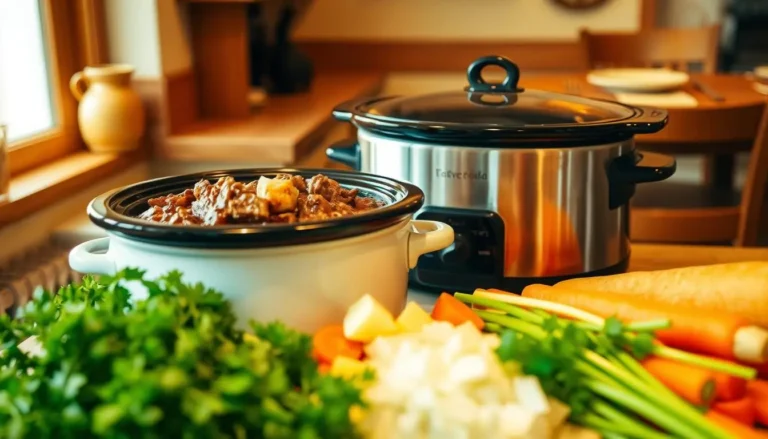
The Best Beef Tagine with Vegetables
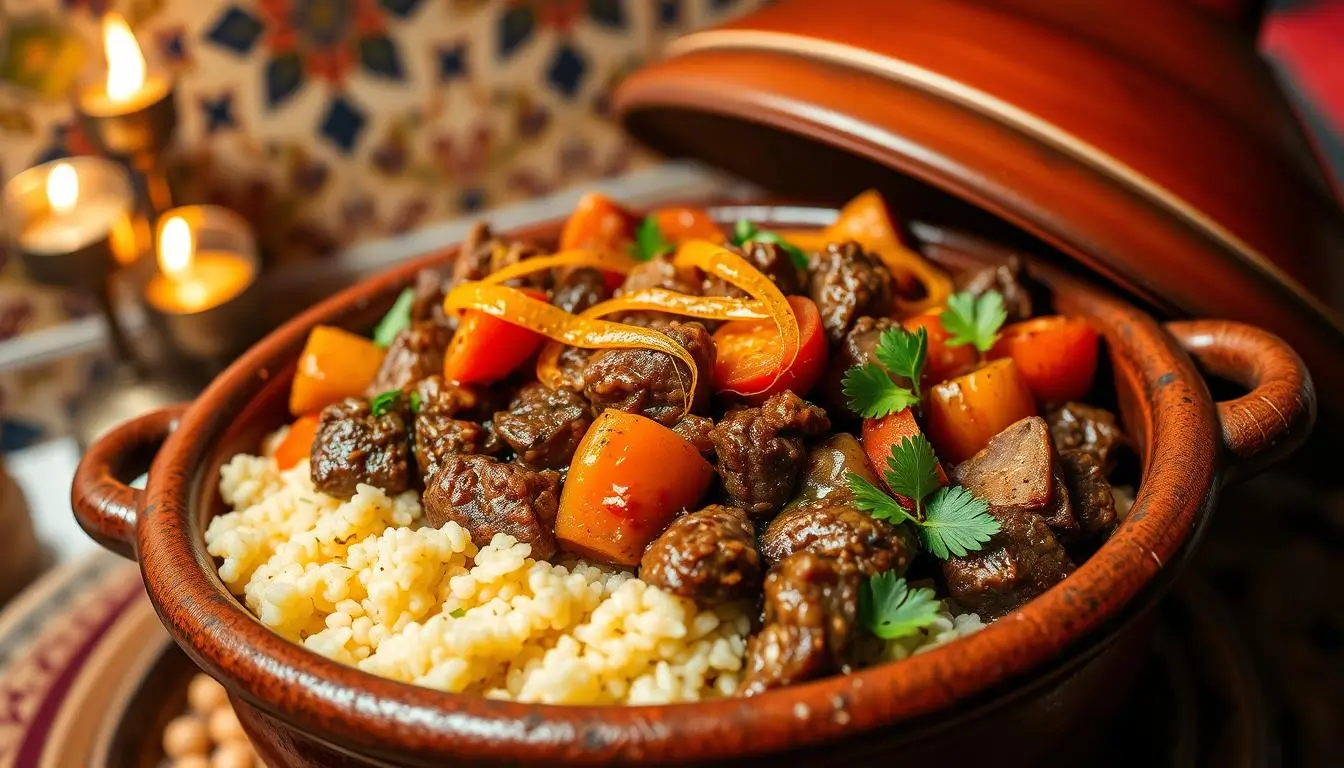
Table of Contents
The smell of a beef tagine reminds me of a small kitchen in Marrakech. It was there I first tasted this amazing Moroccan stew. The flavors and tender meat share a story of tradition that goes beyond cooking.
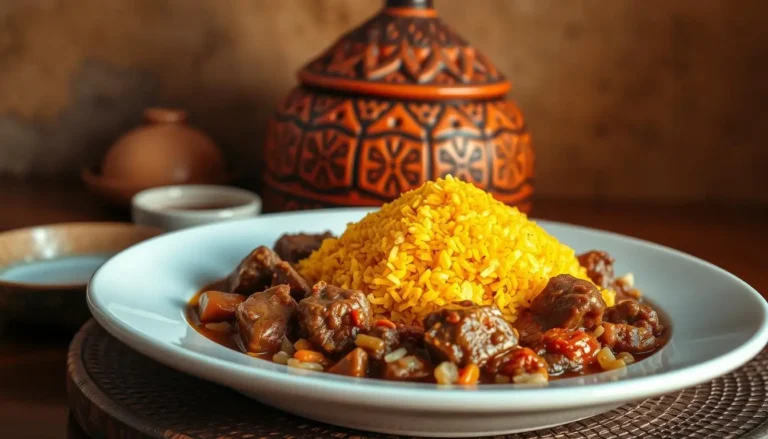
This beef tagine with vegetables is more than a meal. It’s a trip through Moroccan cuisine. Imagine tender beef and vibrant vegetables cooking slowly, with spices that make your taste buds dance. It’s a dish that brings comfort and excitement to your dinner.
It’s perfect for family dinners or a cozy weekend meal. This Moroccan stew combines hearty ingredients with traditional cooking methods. These methods have been passed down through generations.
Prep Time: 30 minutes Cook Time: 2 hours Total Time: 2 hours 30 minutes Servings: 4-6
Key Takeaways
- Authentic Moroccan culinary experience in one dish
- Rich, complex flavors that tell a cultural story
- One-pot meal perfect for family dinners
- Combines tender beef with fresh vegetables
- Traditional cooking method with modern appeal
Understanding Traditional Moroccan Tagine Cooking
Exploring North African beef dishes leads to the enchantment of tagine cooking. A tagine is more than food; it’s a tradition deeply rooted in Moroccan culture. This cooking method turns simple ingredients into flavors that tell stories of culinary skill passed down through centuries.
What Makes a Tagine Special
The traditional tagine recipe is special because of its unique cooking vessel. Made from clay or ceramic, the tagine pot has a cone-shaped lid. This design helps steam circulate and condense, making the meat tender.
- Unique cone-shaped cooking vessel
- Slow-cooking method preserves nutrients
- Concentrates flavors through steam circulation
Traditional vs Modern Cooking Methods
Authentic tagine cooking uses a clay pot over low heat. But, modern cooks have found ways to make delicious North African beef dishes. You can use Dutch ovens, slow cookers, or conventional ovens to achieve similar results.
| Cooking Method | Cooking Time | Flavor Intensity |
|---|---|---|
| Traditional Clay Tagine | 3-4 hours | Extremely Rich |
| Modern Slow Cooker | 6-8 hours | Moderately Rich |
| Conventional Oven | 2-3 hours | Comparable to Traditional |
The Cultural Significance of Tagine
Tagine is more than a cooking method; it’s about hospitality and community. Families come together, sharing stories and traditions. Each tagine recipe holds the essence of Moroccan culinary heritage.
Essential Ingredients for Beef Tagine with Vegetables
To make a real spiced beef and vegetable dish, picking the right ingredients is key. Your savory beef tagine will turn into a true culinary masterpiece with the right parts.
Selecting the Right Cut of Beef
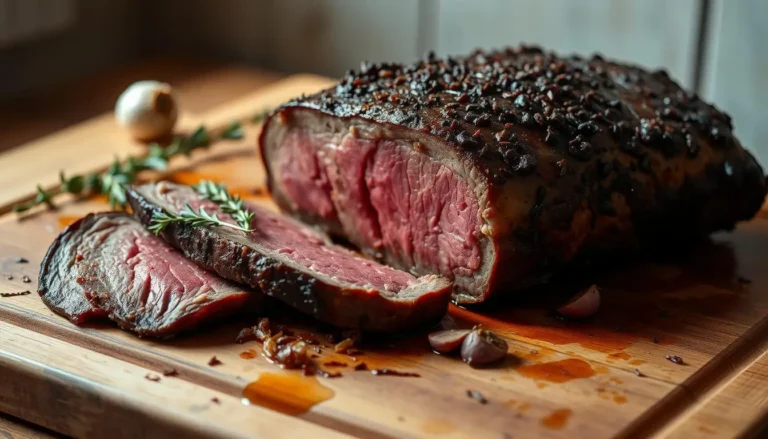
The secret to a tender tagine is in the meat. Chuck beef (shoulder cut) is the best for this slow-cooked dish. Its fat and connective tissues melt during cooking, making it tender.
- Choose beef chuck with visible marbling
- Cut meat into uniform bite-sized pieces
- Aim for 1-inch cubes for consistent cooking
Fresh Vegetable Selection Guide
Vegetables are key in your savory beef tagine. Pick produce that can handle slow cooking and soak up rich spices well.
- Carrots: Add sweetness and texture
- Onions: Create flavor foundation
- Bell peppers: Provide color and depth
- Zucchini: Bring delicate softness
Authentic Moroccan Spice Combinations
Turning your spiced beef and vegetable dish into something special needs a mix of spices. Ras el Hanout is the heart of Moroccan cooking, blending many ground spices.
Key spices include:
- Cumin
- Coriander
- Cinnamon
- Turmeric
- Paprika
“Spices are the heart of Moroccan cuisine, turning simple ingredients into extraordinary meals.”
Kitchen Equipment and Preparation Tips
To make a real slow-cooked beef tagine, you need the right tools and a good plan. Even though Moroccans use a special clay pot called a tagine, you can still get great results at home.
Here’s what you’ll need for your one-pot beef meal:
- Cast-iron Dutch oven – perfect for even heat
- Wide casserole dish with a tight lid
- Sharp chef’s knife for cutting veggies
- Heavy-bottomed pot with deep sides
Here are some important tips for preparing your slow-cooked beef tagine:
- Choose a pot with a thick, heavy bottom
- Make sure your pot can go from stovetop to oven without trouble
- Get all your ingredients ready before you start cooking
- Have your spices measured and ready to go
If you don’t have a traditional tagine pot, don’t fret. A Dutch oven or deep casserole dish is just as good. The key is to keep the heat low and steady.
“The right equipment transforms home cooking from ordinary to extraordinary” – Professional Chef’s Wisdom
Invest in good cookware that heats evenly. This will make your beef tender and your veggies cook evenly. You’ll feel like you’re dining in Morocco, right in your own kitchen.
The Perfect Spice Blend: Ras el Hanout
Discover the secret to a true Moroccan beef and vegetable tagine with Ras el Hanout. This magical spice blend makes your Moroccan beef stew truly special. It adds depth and warmth to every bite.
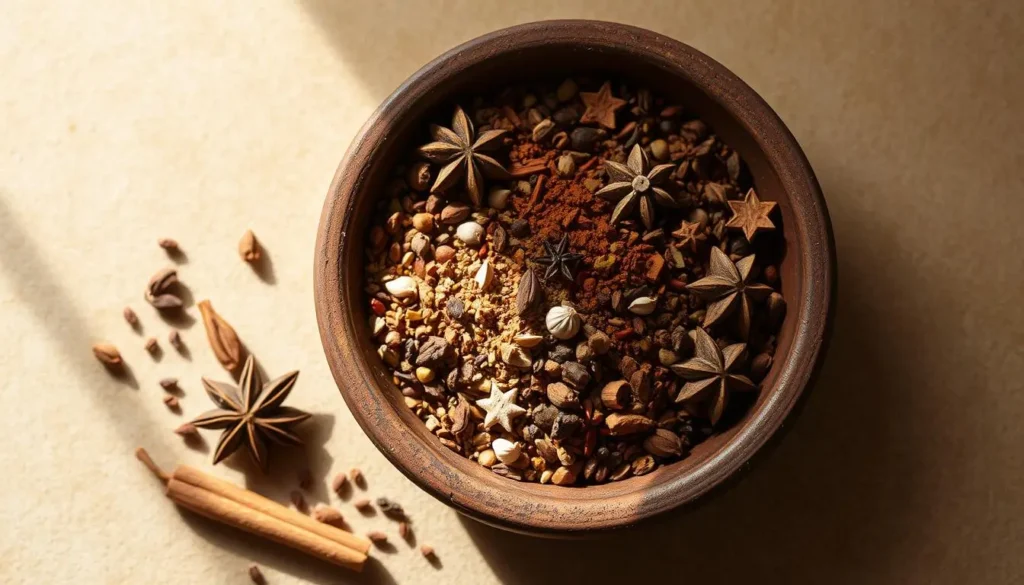
Ras el Hanout means “top of the shop,” the best spice blend a merchant offers. It has up to 30 different spices. This mix creates a flavor symphony that delights your taste buds.
Creating Your Homemade Ras el Hanout
Making your own Ras el Hanout is simple. Here’s a recipe to enhance your hearty beef and vegetable tagine:
- Ground cinnamon
- Ground cumin
- Ground coriander
- Dried ginger
- Turmeric
- Cardamom
- Nutmeg
- Cayenne pepper
Store-Bought Options and Substitutions
Creating your own Moroccan beef stew spice blend can be challenging. But, high-quality store-bought versions are available. Find authentic blends at specialty spice shops or international markets. If Ras el Hanout is hard to find, a mix of paprika, cumin, cinnamon, and cayenne can work well.
“Spices are the soul of Moroccan cooking, turning simple ingredients into a culinary masterpiece.” – Moroccan Cooking Tradition
The secret to a fantastic hearty beef and vegetable tagine is the spice balance. Whether you make your own or buy a pre-made mix, Ras el Hanout will take you to Morocco’s lively markets.
Step-by-Step Cooking Process
Making the perfect one-pot beef meal needs patience and skill. Your slow-cooked beef tagine starts with careful prep. It turns simple ingredients into a rich, tasty dish.
- Marinate the Beef: Coat your beef cubes with olive oil, salt, pepper, and Moroccan spices. Let it soak up these flavors for at least 30 minutes.
- Brown the Meat: Heat a tagine or heavy-bottomed pot. Brown the beef in batches. This creates a deep caramelized exterior that keeps moisture in and adds intense flavor.
- Build the Base: Add chopped onions, garlic, and ginger to the pot. Cook until they’re translucent and fragrant. This makes a flavor base for your one-pot beef meal.
- Layer the Vegetables: Add root vegetables like carrots and potatoes. They’ll cook slowly and soak up the beef and spice flavors.
- Slow Cooking: Cover the tagine and lower the heat to low. Let it simmer gently for about 2 hours, stirring now and then.
The secret to a great slow-cooked beef tagine is patience. Cooking it low and slow makes the meat tender. It also brings out deep, complex flavors that make this Moroccan dish special.
Pro Tip: Don’t rush the cooking. The magic of a perfect tagine happens during those long, slow simmering hours.
Wait until the beef is fork-tender and the veggies are soft. Your one-pot beef meal is done when the sauce thickens. The flavors will blend into a harmonious, aromatic dish.
How to Layer Flavors in Your Tagine
To make a memorable spiced beef and vegetable dish, you need to master flavor layering. Your savory beef tagine will become a culinary masterpiece. This happens when you understand how to build depth and complexity with each ingredient.
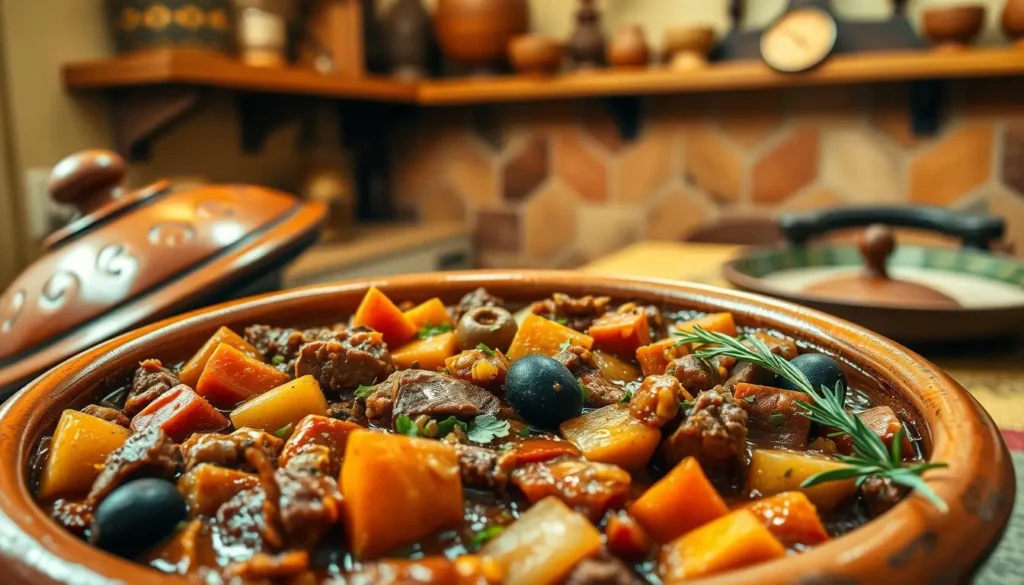
Creating a rich flavor profile is all about strategic ingredient placement and timing. The key is to add components that complement and enhance each other throughout cooking.
Building the Base Flavors
Begin by creating a robust foundation for your savory beef tagine. The base sets the overall taste and complexity of your dish.
- Sauté aromatics like onions and garlic in olive oil
- Toast whole spices to release essential oils
- Develop caramelization for deeper flavor intensity
Adding Vegetables at the Right Time
Timing is key when adding vegetables to your spiced beef and vegetable dish. Different vegetables need different cooking times to keep their texture and flavor.
| Vegetable Type | Cooking Stage | Recommended Time |
|---|---|---|
| Root Vegetables | Early Stages | 30-40 minutes |
| Soft Vegetables | Later Stages | 15-20 minutes |
| Delicate Herbs | Final Minutes | 2-3 minutes |
Final Seasoning Adjustments
The last step in making an exceptional tagine is fine-tuning your seasonings. Taste and adjust salt, acid, and spice levels to get a perfectly balanced dish.
“Cooking is about balance, and in a tagine, every ingredient tells a story.” – Moroccan Culinary Tradition
A great savory beef tagine is not just about following a recipe. It’s about understanding how flavors interact and develop during cooking.
Common Mistakes to Avoid
Mastering a traditional tagine recipe needs careful attention and knowledge of common mistakes. Even skilled cooks can mess up a Moroccan beef stew. This can ruin the dish’s rich flavors and tender texture.
Here are key errors to steer clear of when cooking your beef tagine:
- Overcrowding the cooking pan when browning meat prevents proper caramelization
- Rushing the meat browning process without developing a deep, golden crust
- Skipping the meat marination step, which enhances flavor absorption
- Using low-quality or incorrect beef cuts that become tough
The secret to a true Moroccan beef stew is patience and technique. When browning meat, make sure to:
- Use a wide, heavy-bottomed pan
- Pat meat dry before seasoning
- Cook in small batches
- Allow space between meat pieces
- Use medium-high heat
Temperature control is key in your traditional tagine recipe. Cooking slowly lets spices blend and meat become tender. Don’t rush it, as slow cooking turns simple ingredients into a stunning Moroccan beef stew.
Serving Suggestions and Accompaniments
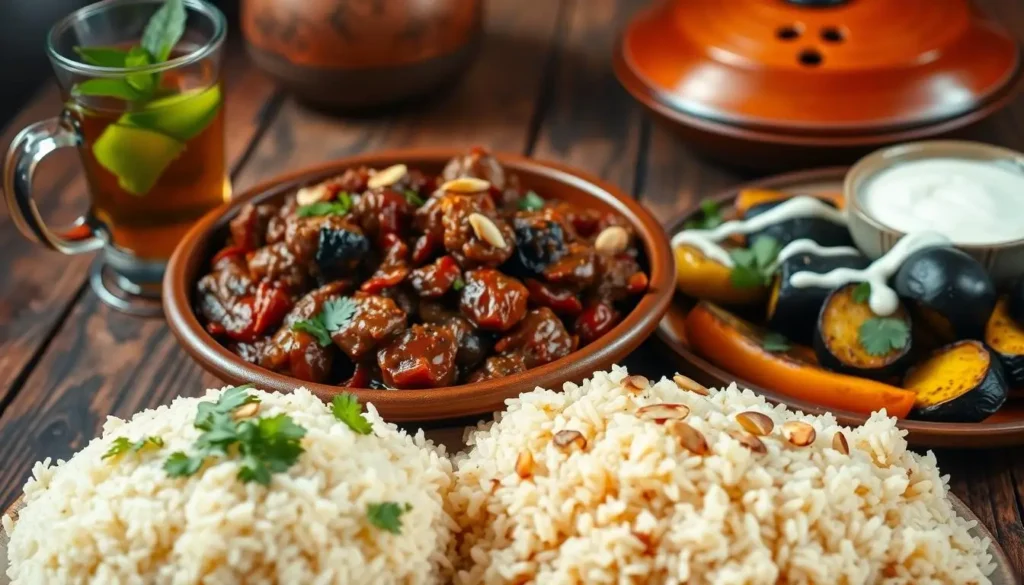
To make your north African beef dish special, choose the right sides. These should match the rich flavors of the hearty beef and vegetable tagine. The right sides turn a simple meal into a feast for the senses.
Traditional Moroccan Side Dishes
In true Moroccan cooking, your tagine shines with classic sides. These sides bring out its full flavor and character:
- Warm, thick khobz (Moroccan flatbread) for scooping
- Fluffy couscous seasoned with light herbs
- Steamed rice with saffron undertones
Modern Pairing Options
But, modern twists can also make your dish exciting:
- Quinoa as a protein-rich alternative to couscous
- Roasted vegetable medleys
- Fresh herb salads with citrus dressings
“A great tagine is not just a meal, but a journey through Moroccan flavors and traditions.” – Moroccan Culinary Expert
Pair your hearty beef and vegetable tagine with robust red wines like Moroccan Syrah. Or, try a crisp, chilled white wine. This combo makes for a memorable meal that honors North Africa’s rich food heritage.
Storage and Reheating Guidelines
Keeping the flavors of your one-pot beef meal alive is key. After enjoying your beef tagine with vegetables, proper storage and reheating are crucial. This way, you can enjoy the leftovers just as much as the first time.
Refrigeration is essential for keeping your tagine fresh. Here are some important storage tips:
- Cool the beef tagine completely before storing
- Use airtight containers to prevent flavor loss
- Store in the refrigerator for 3-4 days maximum
When reheating your one-pot beef meal, consider these methods:
- Stovetop method: Warm slowly over low heat, stirring occasionally
- Microwave technique: Add a small splash of water to prevent drying
- Stir gently to redistribute vegetables and beef
Freezing is also a great option for longer-term storage. Your beef tagine with vegetables can be frozen for up to 2-3 months. Divide it into individual portions for easy reheating and less waste.
Pro tip: Always reheat your tagine gently to maintain its original texture and prevent overcooking the tender beef and vegetables.
By following these storage and reheating guidelines, your Moroccan-inspired dish will stay delicious. It will be ready to enjoy whenever you’re hungry.
Health Benefits and Nutritional Information
Your savory beef tagine is more than just tasty. It’s a nutritional powerhouse. It’s packed with protein, vitamins, and minerals that boost your health.
This traditional Moroccan dish is great for a hearty, nutritious meal. Here are the key nutritional highlights:
- Protein-rich beef provides essential amino acids
- Vegetables offer critical vitamins and dietary fiber
- Spices contribute antioxidants and anti-inflammatory properties
Nutrition Facts Per Serving:
| Nutrient | Amount | % Daily Value |
|---|---|---|
| Calories | 320 | 16% |
| Total Fat | 18g | 23% |
| Protein | 28g | 56% |
| Carbohydrates | 12g | 4% |
This spiced beef and vegetable dish is great for those with dietary restrictions. It’s naturally:
- Gluten-free
- Dairy-free
- Soy-free
- Grain-free
Adding this savory beef tagine to your meals is a win-win. You get to enjoy a delicious traditional recipe and nourish your body with a balanced meal.
Conclusion
Learning to make a traditional tagine is more than cooking. It’s a journey that connects you with Morocco’s rich food culture. Your exploration of this Moroccan beef stew is a delightful trip into authentic tastes and old cooking ways.
In this guide, you’ve discovered key elements that make a simple dish into a special meal. You’ve learned about choosing the best beef and understanding spice blends like Ras el Hanout. These insights will improve your cooking skills. The traditional tagine recipe is about passion and skill, not just ingredients.
Now, you can make a rich and tasty Moroccan beef stew that will wow your loved ones. Every step you’ve learned, from mixing flavors to adding vegetables at the right time, brings you closer to being a great cook. Remember, great cooking is about patience and creativity.
With these tips, you’re ready to turn a simple pot into a celebration of Moroccan food. Your tagine adventure is waiting. Enjoy every moment and every delicious bite.
Rate & Reviews
⭐ Did you enjoy this Beef Tagine with Vegetables?
If you tried the recipe, leave a rating and share your thoughts in the comments! Tell us how the beef turned out and which part of this flavorful tagine you enjoyed most.
🥕 What vegetables did you use?
Share your favorite combination of carrots, potatoes, zucchini, peas, or other vegetables. You can also tell us about any spices or herbs you added to give the dish your own touch.
❤️ Would you make this tagine again?
If it became a favorite at your dinner table, share the recipe with friends and family who love hearty Moroccan-inspired meals.
🇲🇦 What Moroccan dish should we feature next?
Have a favorite tagine, couscous, or traditional Moroccan recipe? Leave your suggestion in the comments and tell us what you’d love to see next!